
Commercial garage door repair in Colorado Springs covers sectional warehouse doors, rolling steel doors, storefront and service-bay doors, dock doors, operators, high-cycle springs and intended preventive maintenance. An urgent visit should secure the opening first; every repair or maintenance agreement should identify door type, duty cycle, safety devices, downtime risk, parts, exclusions and written response terms.
What does commercial garage door service include?
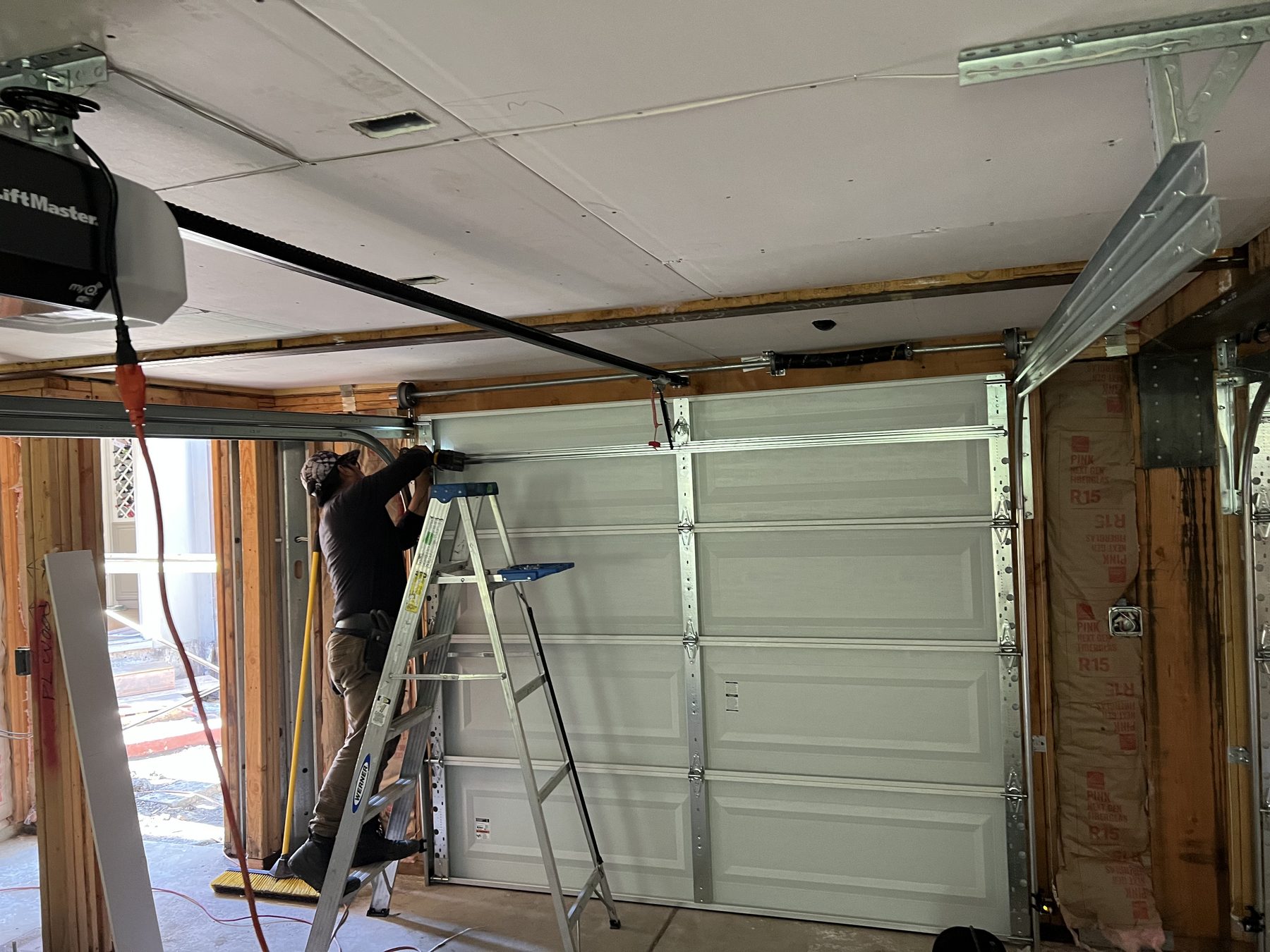
A commercial opening is part of the workflow, security and safety system of a building. Warehouse traffic, delivery schedules, fleet movement and customer access can create higher cycles and more expensive downtime than a residential door. Service preparation begins with an asset list and opespecification risk: which opening failed, whether it can be isolated and what work must continue safely.
Symptoms that deserve a closer look
- A warehouse or service-bay door will not open, close or secure.
- A rolling steel curtain binds, telescopes or leaves the guides.
- A dock door, edge or operator does not complete safe travel.
- High-cycle springs, chains, cables or bearings show wear or changing noise.
- Photo eyes, monitored edges, controls or interlocks fail a safety test.
What causes this problem?
High-cycle fatigue
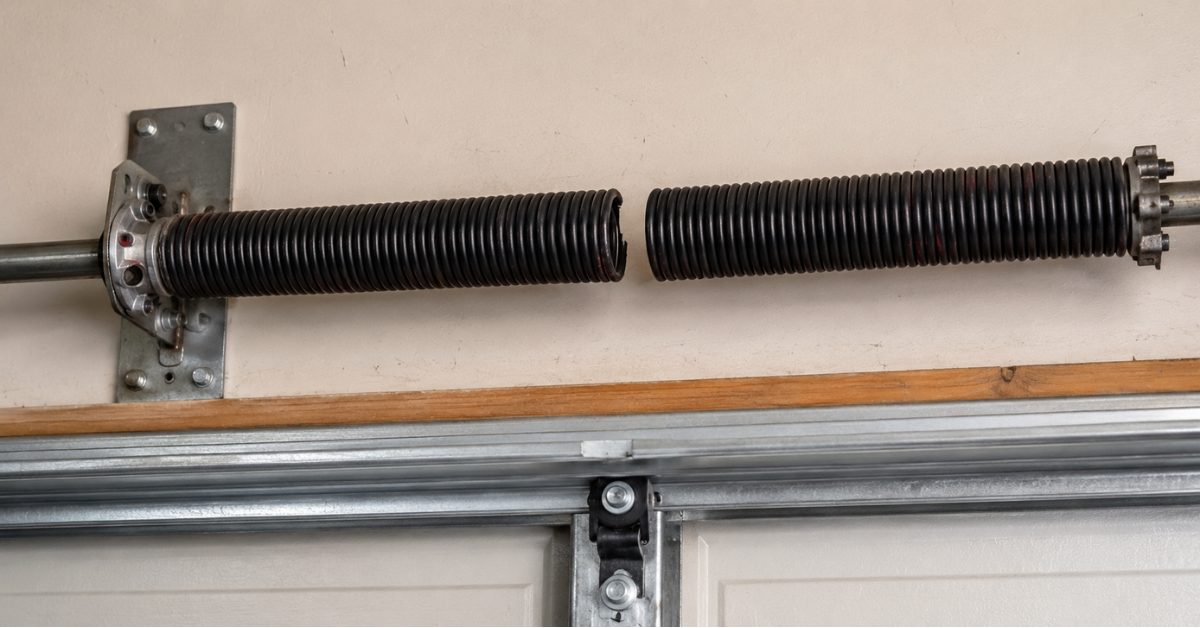
Busy bays can cycle dozens or hundreds of times in a workday. Springs, chains, rollers, bearings and operators must match actual duty rather than residential assumptions.
Impact damage
Forklifts, trailers and fleet vehicles can damage bottom sections, guides, tracks and dock components. The opening should be isolated before forced operation.
Operator or control failure
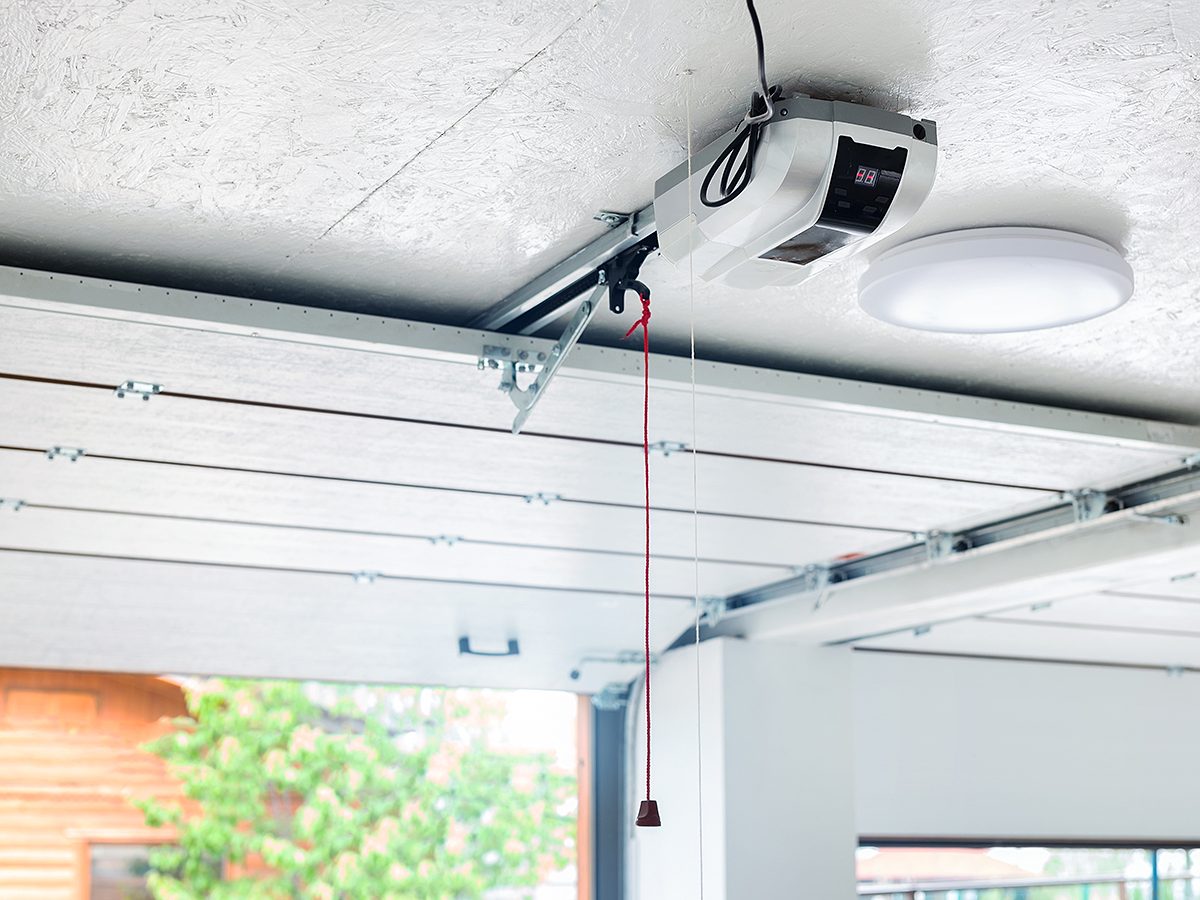
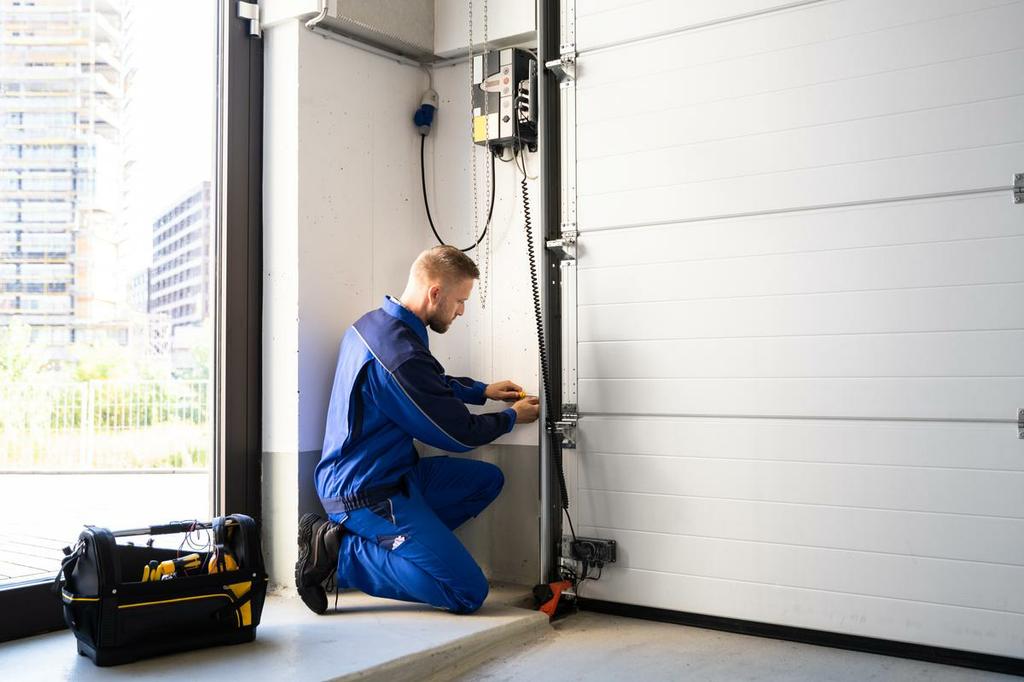
Three-phase power, control stations, limits, monitored safety devices and access systems require model-specific diagnosis and qualified electrical work where applicable.
Corrosion and contamination
Road grit, mag-chloride residue, washdown and industrial dust can accelerate wear around lower hardware and guides.
Deferred preventive maintenance
Loose fasteners, worn rollers, slack chain and misalignment can compound until the door fails during a critical shift.
Should you repair or replace?
When repair makes sense
Commercial repair makes sense when the door, guides, tracks and supporting structure remain serviceable and the failed spring, operator, control, cable, roller, hinge, slat or section is available. The written scope should separate immediate stabilization from permanent repair and state what can safely operate while parts are sourced.
When replacement deserves comparison
Replacement deserves comparison when repeated failures create unacceptable downtime, parts are obsolete, structural sections or guides are broadly damaged, safety devices cannot be brought to current manufacturer requirements or the opening no longer fits operational needs. A capital replacement should include measurements, duty cycle, wind exposure, insulation, controls, access and commissioning.
What should happen during a service visit?
Make the door safe
Stop automatic movement when the door is crooked, unusually heavy, unsupported or unable to secure the opening. The first task is stability, not speed.
Document the symptom
Record the door position, sound, visible wear, opener response and whether weather or impact happened just before the fault.
Inspect connected hardware
Check springs, lift cables, drums, rollers, hinges, tracks, panels, opener load and safety controls instead of isolating one obvious part.
Explain the cause
Separate the failed component from secondary wear and explain why the door became noisy, heavy, crooked or intermittent.
Approve the written scope
List parts, labor, exclusions, access, preparation-scope caveats, warranty wording and any urgency charge before work begins.
Balance and safety-test
After repair, verify smooth travel, balance, photo-eye response and contact reversal according to the manufacturer instructions.
Why does Colorado Springs context matter?
Colorado Springs commercial properties face large temperature swings, hail, wind-driven dust and winter vehicle residue. A north-side warehouse near Monument may see colder morning starts; an east-side service building can see dust and wide detached openings; Fountain Valley operations may depend on early military and fleet schedules. These examples guide preparation, but no building, contract or response time is claimed until an operator performs a site survey.
How can you reduce repeat trouble?
- Create an asset list with door type, size, model and serial number.
- Set inspection frequency by duty cycle, environment and manufacturer guidance.
- Record changed noise, travel time, impacts and safety-device faults.
- Keep access to controls, guides, tracks and disconnects clear.
- Train staff to isolate an unsafe opening instead of forcing it.
- Require a written service report and open-items list after each visit.
Safety boundary
Do not unwind springs, loosen cable drums or bottom brackets, bypass safety controls, push an occupied roller back into a track or stand beneath an unsupported door. Observation is useful; tensioned-hardware repair belongs to trained service.
What are common worries before booking?
A useful service conversation answers safety, scope and timing concerns without turning uncertainty into a sales claim.
Can service avoid all business downtime?
No. Preventive work can reduce avoidable failures, but response and completion still depend on the fault, access, parts and written service terms.
Will every provider handle our exact door?
Capability varies across sectional, rolling steel, dock and control systems. Confirm model, duty cycle, safety devices and technician capability first.
Does a maintenance agreement include repairs?
Not unless it says so. Visit frequency, inspection tasks, exclusions, labor, parts authorization and response language should be explicit.
Frequently asked questions
Do you service warehouse and storefront garage doors?
The intended commercial scope covers sectional warehouse and service-bay doors, rolling steel and storefront-style openings, subject to operator capability and exact model confirmation at launch.
What are high-cycle springs?
They are spring systems selected for a higher rated number of opespecification cycles. Correct sizing, door weight, shaft, drums, bearings and real duty cycle still control the specification.
Can a maintenance contract guarantee no downtime?
No. Preventive maintenance can reduce avoidable failures and improve preparation, but it cannot guarantee that a door, operator or control will never fail.
What should a preventive maintenance agreement state?
Door inventory, visit frequency, inspection tasks, excluded repairs, reporting, priority terms, labor rates, parts authorization and any response-time language.
Are dock doors and dock equipment the same service?
They can overlap but are not identical. Dock levelers, restraints and seals may require separate specialist capability, inspection and safety procedures.
Related services and areas
Not sure what failed?
Describe what the door is doing, its current position and any visible damage. Same-day slots can fill fast, but timing is only confirmed after contact. Calls are answered 24/7 at (719) 403-0616.