
A new garage door should match opening measurements, construction, insulation needs, wind exposure, tracks, springs, weather seals and opener capacity. Compare the complete installed system rather than choosing by panel appearance alone.
When is replacement better than repairing a garage door?
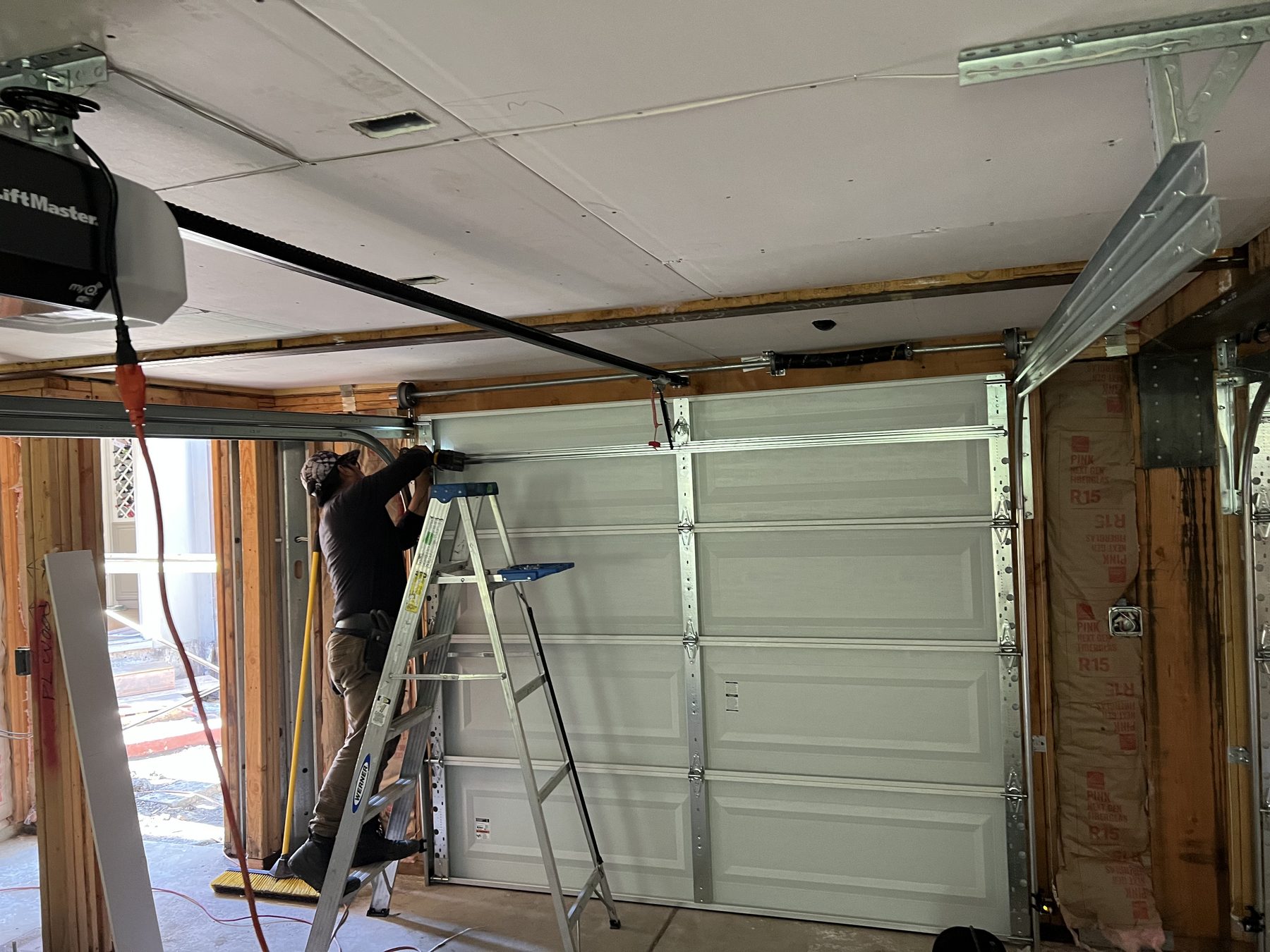
Replacement can make sense when several sections are structurally damaged, compatible panels are unavailable, tracks are badly compromised, repeated repairs no longer restore dependable travel or the door no longer meets the opening’s safety and sealing needs.
Signs that deserve a closer look
- Several sections are creased, cracked or no longer travel square.
- A matching replacement panel is unavailable.
- Tracks, hinges and bottom hardware show broad structural damage.
- Repeated faults keep returning after targeted work.
- The current door no longer fits the opening or safety needs.
What can cause this problem?
Hail or impact damage
Hail may leave cosmetic dimples or structural creases, while vehicle impact can disturb sections, tracks and hinges.
Age and repeated faults
Worn sections, fatigued hinges, corrosion and obsolete components can make targeted work less dependable.
Poor fit or altered opening
Remodeling, movement or an earlier incorrect installation can leave inadequate clearances or sealing.
Insulation and comfort goals
Attached garages may benefit from insulation, tight perimeter seals and appropriate glazing.
Material and wind exposure
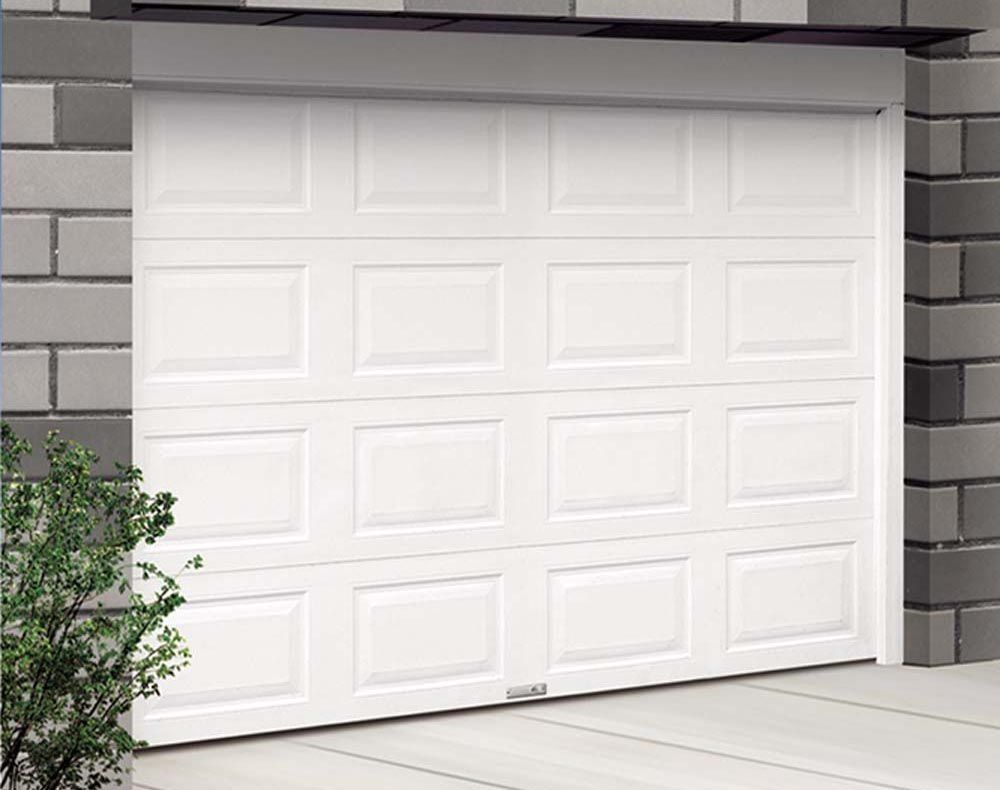
Steel, aluminum, wood and composite doors differ in weight, upkeep, dent resistance and appearance.
What happens during a service visit?
Make the opening safe
Stop automatic movement when the door is crooked, unusually heavy, unsupported or unable to secure the opening. Keep people and vehicles clear.
Describe the symptom
Note the door position, sound, visible damage, opener response and whether weather or impact happened just before the fault.
Inspect connected hardware
Check springs, lift cables, drums, rollers, hinges, tracks, panels, opener load and safety controls rather than isolating one obvious part.
Explain the cause
Separate the failed component from secondary wear and explain why the door became noisy, heavy, crooked or intermittent.
Confirm the service scope
Identify the work, parts, access needs, exclusions and safety steps before work begins.
Balance and safety-test
After service, verify smooth travel, balance, photo-eye response and contact reversal according to manufacturer instructions.
Why does Colorado Springs context matter?
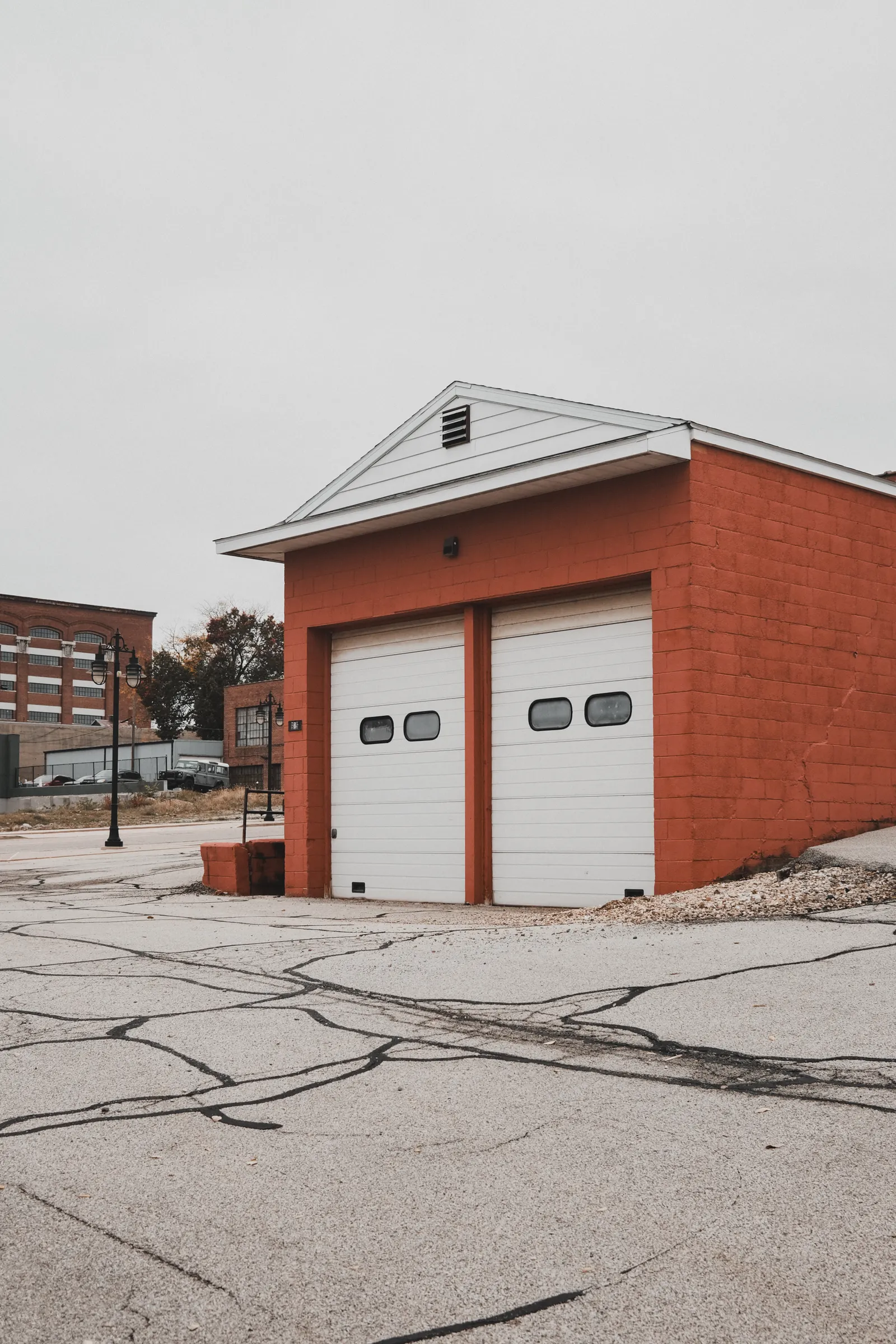
Colorado Springs choices should account for high-altitude sun, hail, wind-driven dust and sharp freeze–thaw swings. Older west-side garages may have tight openings, while Falcon and Black Forest properties can have wider detached bays and stronger wind exposure.
How can you reduce repeat trouble?
- Clean sections and perimeter seals with manufacturer-approved methods.
- Rinse winter residue from the threshold and bottom retainer area.
- Inspect seals before the first hard freeze.
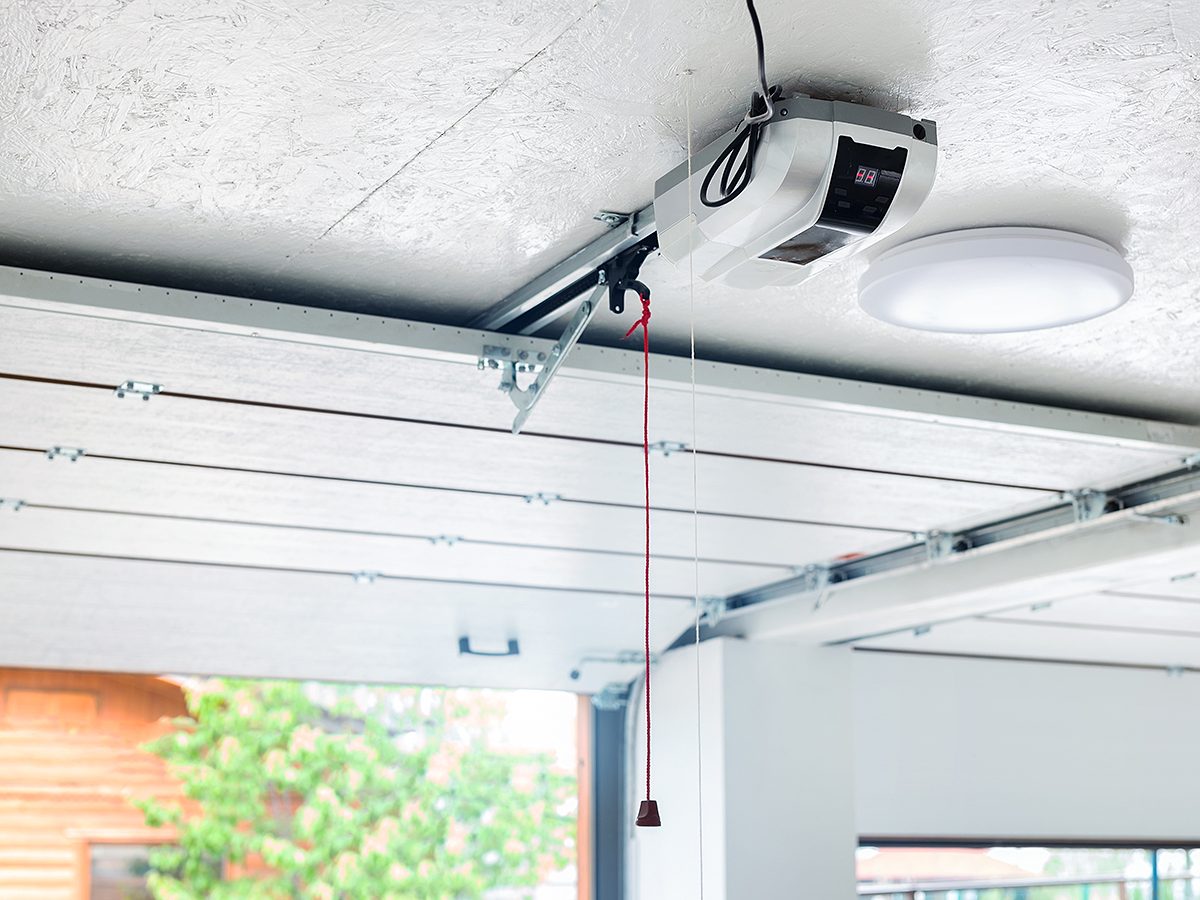
- Watch rollers, hinges and lift cables without touching tensioned parts.
- Keep the door model, finish and warranty information with home records.
Safety boundary
Do not unwind springs, loosen cable drums or bottom brackets, bypass safety controls, push an occupied roller back into a track or stand beneath an unsupported door. Observation is useful; tensioned-hardware work belongs to trained service.
What are common worries before booking?
A useful service conversation answers safety, scope and timing concerns without turning uncertainty into a sales claim.
How do I avoid paying for more door than I need?
Compare the measured opening, material, insulation, windows, tracks, springs, opener work, removal and warranty as one written scope.
Will the new door match neighborhood rules?
Do not rely on a verbal assumption. Obtain the current design, window and color requirements from the specific association before ordering.
Will installation block the garage all day?
A standard prepared opening may be completed in a day, but custom sizing, framing, electrical work and product availability can change the schedule.
Frequently asked questions
Can one panel be replaced after hail?
Yes, when an exact compatible section is available and tracks, hinges and adjacent sections remain sound.
Is a higher R-value always better?
It matters most for attached or conditioned garages, but seals, windows, wall insulation and use also affect comfort.
Can the old opener stay?
Possibly, if it is compatible, properly sized and passes safety checks with the new door.
Do neighborhood appearance rules matter?
They can. Obtain current written requirements from the relevant association before changing visible design, windows or color.
Related services and areas
Not sure what failed?
Describe what the door is doing, its current position and any visible damage. Same-day slots can fill fast, but timing is only confirmed after contact. Calls are answered 24/7 at (719) 403-0616.