
For most Colorado Springs homes, an insulated garage door is the right choice: attached garages, rooms above the garage, and workshops all benefit from steadier temperatures, quieter operation, and stiffer, hail-resistant panels. A non-insulated door still makes sense for a detached garage used only for parking. Match the door to how the garage is used.
Insulated or non-insulated? In Colorado Springs the answer depends on the garage, not the door — attached, lived above, or worked in points one way; detached and parking-only points the other. Here is the verdict, and the checks behind it.
Picture a January morning in Colorado Springs. You step into the garage in socks and the concrete bites back. The bedroom above the garage never quite warms up, no matter what the thermostat says. The door rattles every time it moves, and after the last hailstorm the bottom panel wears a fresh crop of dents. Sooner or later every homeowner here asks the same question: would an insulated garage door actually change any of this, or is it an upgrade that sounds good and does very little?
The honest answer is that it depends on your garage, not on the door. An insulated door is the right call for many Colorado Springs homes, and a waste of money for others. This guide gives you the verdict for our climate, our altitude, and our housing — and the exact checks that tell you which side of the line your garage sits on.
What Is the Actual Difference Between an Insulated and a Non-Insulated Garage Door?
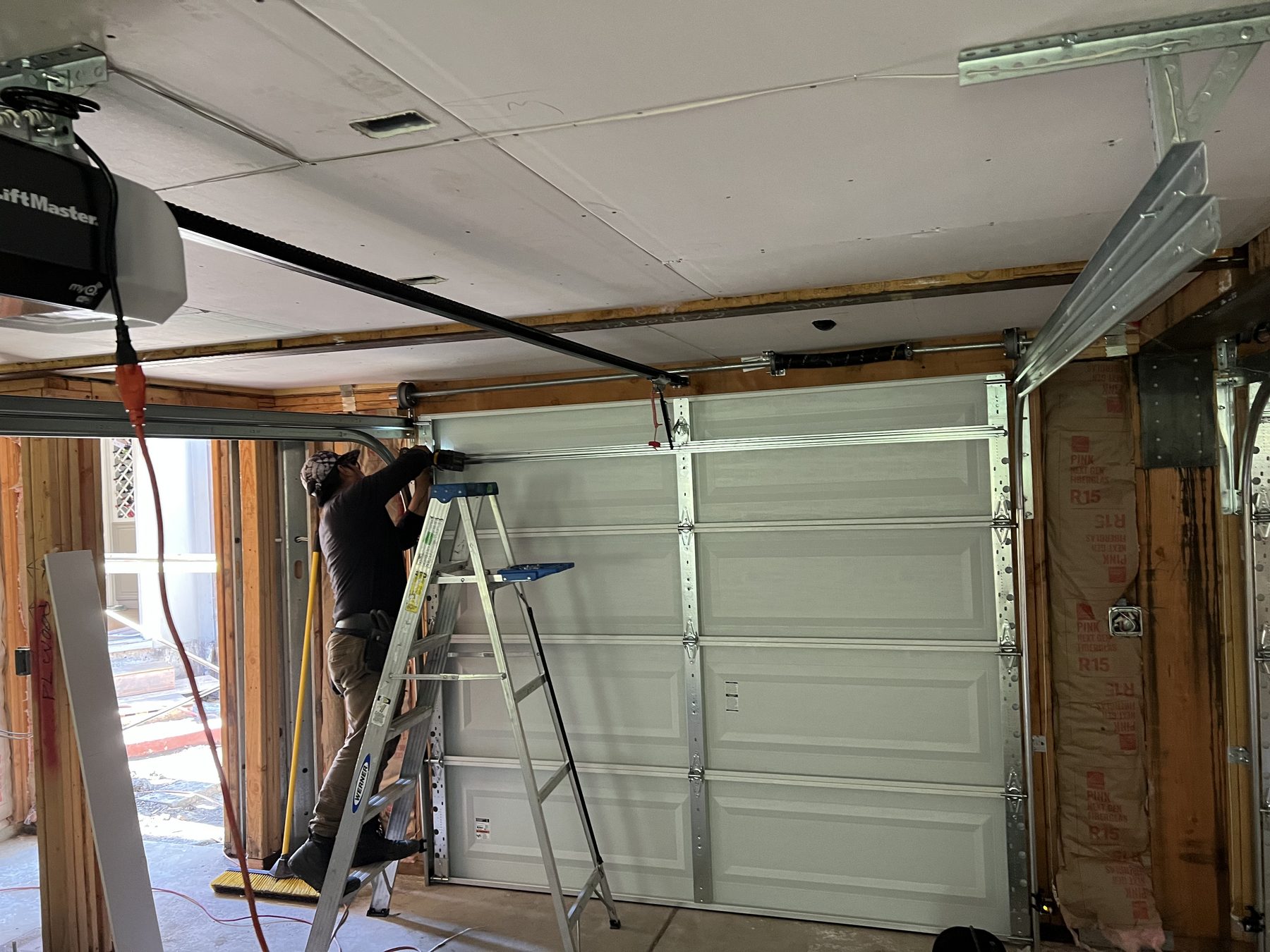
A non-insulated garage door is, in most cases, a single layer of steel. There is a skin on the outside, an open back you can see from inside the garage, and sometimes a light reinforcing frame. It opens, it closes, it keeps the rain out — and it does almost nothing to slow heat moving through it. Hold your hand against one on a January morning and you will feel the cold straight through the metal.
An insulated door adds a core of foam between the skins. The usual builds are two-layer and three-layer. A two-layer door pairs a steel outer skin with a polystyrene panel on the inside. A three-layer door sandwiches polyurethane foam between an outer and an inner steel skin. Polyurethane is injected as a liquid, so it expands to fill every cavity and bonds to both skins; polystyrene arrives as pre-cut boards, which leaves small gaps around window frames and edges. That difference in construction is why two doors with similar-looking spec sheets can behave differently once they are hanging in your garage.
One point worth knowing before you shop: the steel itself contributes almost nothing to the insulation. The foam core does the work. And insulation is a choice you make when you buy the door. It cannot be added to a builder-grade single-layer door later in any way that matches a factory-insulated panel — a point we come back to below.
Does an Insulated Garage Door Really Matter in Colorado Springs?
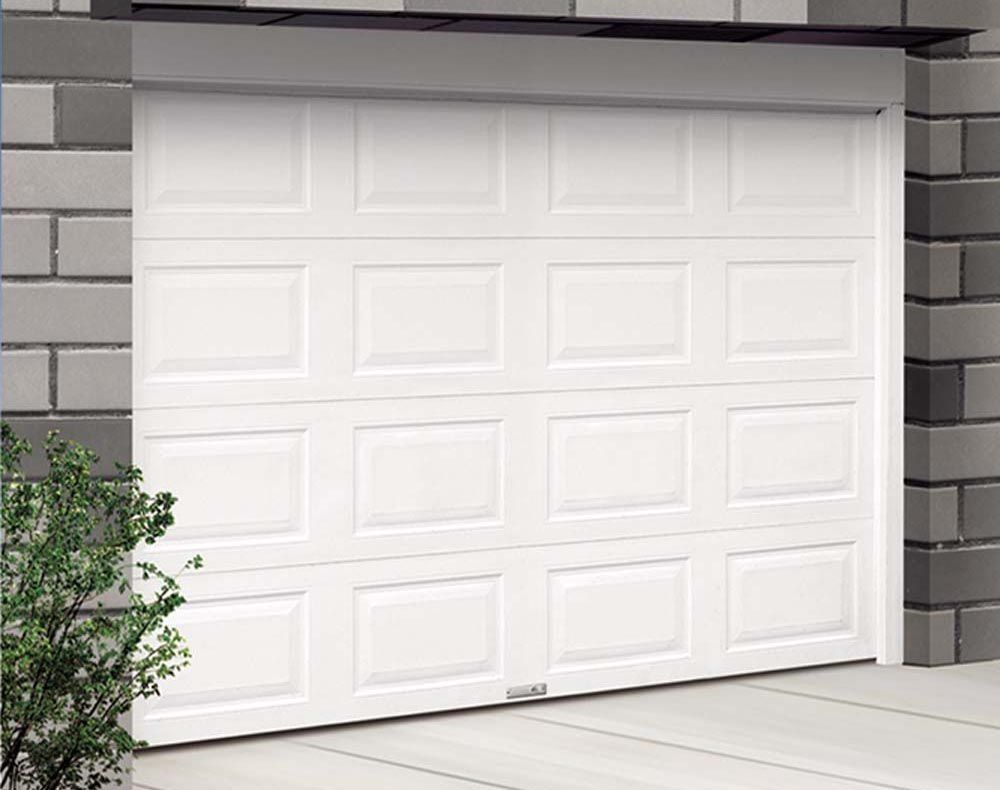
Colorado Springs sits above 6,000 feet in Climate Zone 5B, and that combination is harder on garage doors than the weather in most American cities. Winter nights drop well below freezing, then a Chinook wind can push the afternoon into the fifties. That freeze-thaw swing repeats all winter, and it works on every seal, spring, and panel joint in the door. Spring and fall add forty-degree swings between dawn and afternoon. Hail season runs from mid-April to mid-September, and a single storm can pepper a thin steel door with dents. The air is dry, the sun is intense at altitude, and a west-facing door takes the full force of the afternoon.
In that climate, a garage door is the largest uninsulated opening in most houses here. A single-layer steel panel is, thermally speaking, a sheet of cold metal between your home and a January night. If the garage is attached, the wall and ceiling it shares with the house carry that cold into the rooms beside and above it — the bedroom over the garage that never warms up is the classic symptom.
But insulation is not a magic fix, and the honest guides say so. An insulated door slows heat flow through the door itself. It does nothing for bare stud walls, an uninsulated garage ceiling, or weatherstripping that has gone hard and cracked. If air is pouring in under the bottom seal, fix that first or at the same time, or the new door will underperform from day one.

When Is an Insulated Door Clearly the Right Call?
If any of these describe your garage, an insulated door is the right call:
- Your garage is attached to the house. The door is part of the thermal boundary of your home, not just a parking cover.
- A bedroom, office, or living space sits above or beside the garage. This is the single strongest reason. The rooms that share walls with the garage feel the difference first.
- You use the garage as a workshop, gym, laundry room, or hobby space. Anywhere you spend real time, steadier temperatures and less noise matter every day.
- You store temperature-sensitive items there — paint, batteries, canned goods, or a second freezer. Wide swings shorten their life and, for a freezer, make its compressor work harder.
- Street or neighborhood noise bothers you. Foam layers dampen vibration, so the door runs quieter and lets less outside sound through.
- Your door faces west. Afternoon sun at altitude heats a single-layer panel fast, and that heat radiates straight into the garage. Insulation blunts the spike.
- Your current door dents easily or rattles. The layered build is stiffer, so it resists hail dents better and shakes less on the tracks.
If two or more of these apply, the decision is made. The remaining question is which build — polystyrene or polyurethane — and that comes down to how much of the benefit you want: the triple-layer polyurethane door is the stiffer, quieter, better-sealed option of the two.
When Is a Non-Insulated Door the Smarter Buy?
A non-insulated door is not a bad door. It is the right door for the right garage:
- The garage is detached and touches no living space. Nothing you heat or cool sits on the other side of it.
- It is used only for parking and storage, and nobody spends time in it.
- You live in the garage so little that comfort there is not a factor.
- The budget is the deciding factor, and the garage is unheated.
For those garages, the smarter spend is not foam — it is seals. A fresh bottom seal, sound side weatherstripping, and a top seal that actually meets the header do more for a detached garage than an insulated panel ever will, because the air leaking around the edges of a door dwarfs the heat moving through the panel itself. Get the seals right, keep the tracks clean, and a single-layer door will do its job for years.
What Does Insulation Change Besides Temperature?
Temperature is the headline, but for many Colorado Springs homeowners the side effects matter just as much.
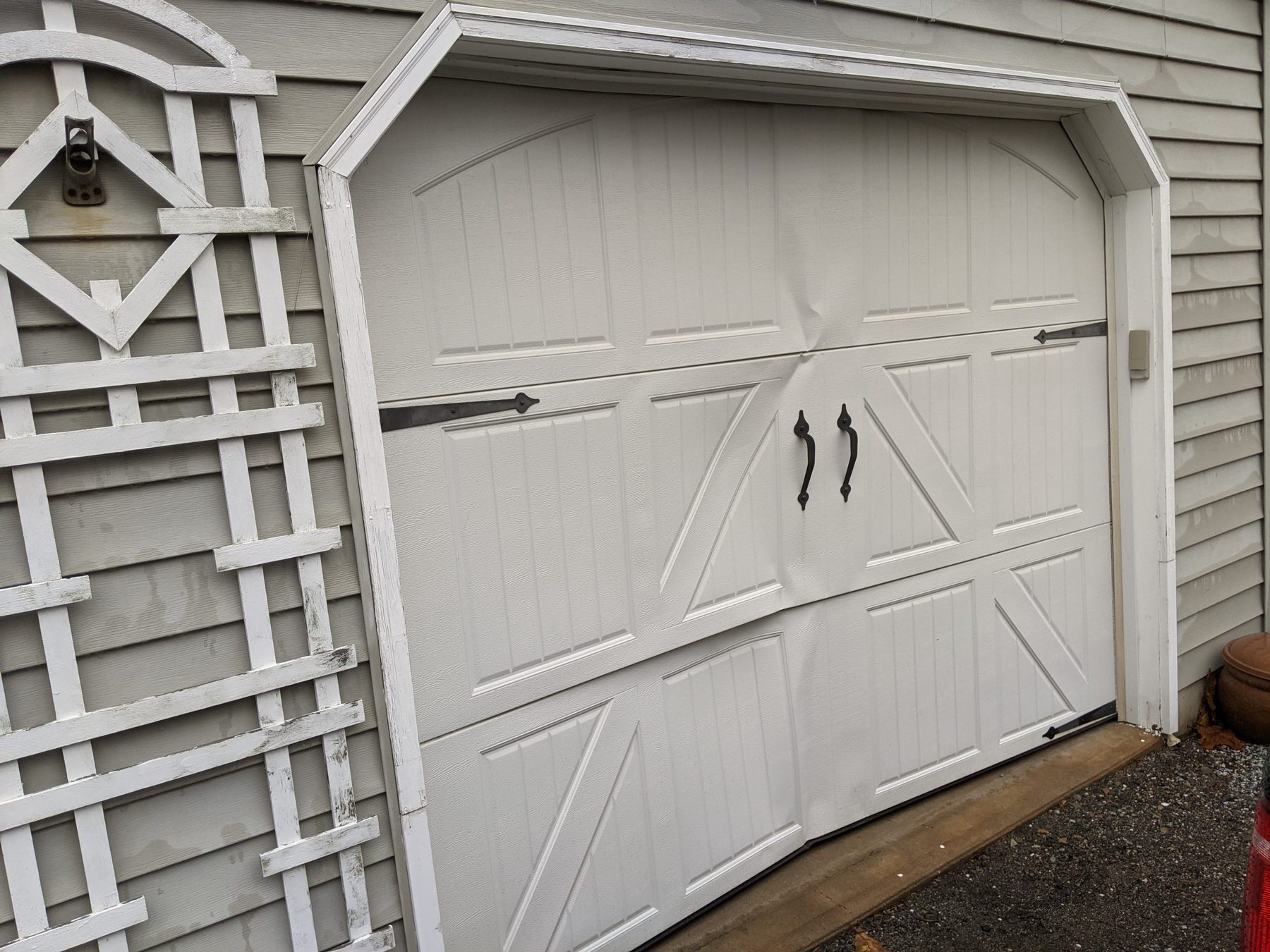
Dent resistance. This is Hail Alley, and a thin single-layer skin dents from hail, a stray ball, or a bicycle handlebar. The layered build of an insulated door is far stiffer, so the same impact that dimples a single-layer panel often leaves an insulated one unmarked. If your current door already carries a collection of hail dents, this is the benefit you will notice first.
Noise. Foam dampens the vibration that makes a door rattle and bang as it travels. The door runs quieter, and the panel blocks more street noise from reaching the rooms behind it. On a busy street, that alone is worth weighing.
Rigidity. A stiffer panel flexes less in wind and holds its shape better across the tracks. Doors that flex tend to bind, wear their rollers unevenly, and drift out of adjustment sooner. How much stiffness you get also depends on the skin itself — our comparison of steel, wood, aluminum and fiberglass garage doors covers how the four materials handle the same stresses.
Weight. This is the one that catches people out. An insulated door is heavier than the single-layer door it replaces, and the springs and opener have to be matched to that weight. A heavier door on tired springs wears them faster and makes the opener carry load it was never meant to carry. After any door swap, the balance of the door needs a professional re-check. Springs are under extreme tension — that part of the job is never a do-it-yourself task, however handy you are.
R-Value or U-Factor: Which Number Should You Actually Compare?
Shopping for an insulated door means meeting two numbers, and they are not interchangeable.
R-value measures how well the insulating material itself resists heat flow. Higher is better. The catch is that it describes the foam in a slice of panel, not the whole door. A U-factor measures the entire installed door assembly — the skins, the section joints, the windows, the thermal breaks — and for U-factor, lower is better.
As a rough guide, an attached garage in a cold climate suits an R-value in the low teens, and a room above the garage argues for the higher end of the range. Polystyrene doors usually land in single digits; polyurethane doors reach the mid to high teens. Do not chase the highest number on the label without checking how the door is built, because the construction decides how the number holds up in real use — a well-built mid-range door outperforms a poorly built door with a bigger number.
For the full explanation, including what the numbers mean for the way your garage is built, see our guide to garage door insulation and R-values.
Can You Just Insulate the Door You Already Have?
Retrofit insulation kits exist — usually pre-cut foam boards that fit into the panels of a single-layer door — and they help a little. They are worth considering if the door is otherwise in good shape and the garage is attached. But they are not a substitute for a factory-insulated door, and three limits matter.
First, a kit adds weight. A door that was balanced for a bare steel panel is now carrying foam, and the springs and opener feel the difference. Have the balance checked afterward.
Second, kits leave gaps. Boards are cut to fit, not bonded in place, so the edges around windows and section joints stay leaky. The result is a door that is better than it was and still well short of a factory panel.
Third, a kit changes nothing structural. The door still dents the same way, still flexes the same way, and still rattles the same way. If the door is old, dented, or the springs are tired, a kit is money spent on the wrong thing — the door itself is the problem, not the absence of foam.
Safe DIY vs never DIY: fitting foam panels is a safe do-it-yourself job — no tension, no height, no special tools beyond a utility knife and patience. Adjusting springs, replacing cables, or re-balancing the door is never do-it-yourself. Springs store enough energy to cause serious injury, and that line does not move.
What Should You Check Before You Order Either One?
Whichever side of the verdict your garage falls on, run through these checks before you order:
- Homeowners association rules. Many Colorado Springs neighborhoods, especially the newer ones, require approval before a visible change to the front of the house — door style, color, and windows included. Check first; a rejected door is an expensive mistake.
- The hardware underneath. Measure the opening, and look honestly at the tracks, rollers, springs, and opener. A heavier insulated door needs springs matched to its weight and an opener that can carry it. If the opener is old or the springs are near the end of their life, that is part of the same decision.
- The seals. Insulation cannot fix air leaks. Walk the door with your hand on a cold morning: if you feel air at the bottom or the sides, the seals go first or at the same time.
- The direction the door faces. A west-facing door takes the hardest afternoon sun in the city. Lighter colors and a durable finish hold up better at altitude, and a door that bakes all afternoon deserves the stiffer, better-sealed build.
- The wall between garage and house. Air sealing that shared wall matters as much as the door. The door is one piece of the box; if the wall leaks, the door cannot save it.
Three worries come up in almost every conversation about replacing a door, and all three have plain answers. Safety: the dangerous part of the job is the springs, and a professional handles that — you are never asked to touch them. Time: a door replacement is usually a single visit, and most of the day is yours. Disruption: the garage is unusable for a few hours while the work happens, so plan the cars around it and the rest of the day goes on as normal.
The Colorado Verdict
So here is the verdict for Colorado Springs.
If your garage is attached, has a room above it, or is a place where you work, exercise, or do laundry — buy the insulated door, and choose the triple-layer polyurethane build if it fits the way the garage is used. Our winters, our hail season, and our forty-degree daily swings all argue for it, and the stiffer panel pays you back every time a storm rolls over the Front Range.
If your garage is detached, used only for parking and storage, and touches no living space — buy the non-insulated door, and put the difference into seals. The foam would be insulating a space nobody heats, cools, or sits in.
The decision was never really about the door. It is about the garage — how it connects to your house, and how you use it. Match the door to that, and the verdict takes care of itself.
If your garage sits on the insulated side of the verdict — attached, lived above, or worked in — the next step is a look at the door you have now: its construction, its seals, and whether the springs and opener are matched to the weight of the door that would replace it. Our garage door installation guide walks through what that visit looks like, and you can request service when you are ready.
Questions homeowners ask about this topic
Is an insulated garage door worth it in Colorado Springs?
For an attached garage, a garage with a room above it, or a garage you work in, yes — the steadier temperatures, quieter operation, and hail-resistant panels all pay off in this climate. For a detached garage used only for parking and storage, the benefit is small, and good seals are the better spend.
What R-value should a garage door have in Colorado?
As a rough guide, aim for the low teens for an attached garage in a cold climate, and the higher end of the range if a bedroom or living space sits above the garage. A detached garage used only for parking is fine at the lower end. Compare the construction as well as the number — a well-built mid-range door outperforms a poorly built door with a bigger label.
Can I add insulation to my existing garage door?
Yes, with a retrofit kit of foam boards — but it helps only a little, leaves gaps around windows and joints, and adds weight, so the door's balance needs a professional check afterward. If the door is old, dented, or the springs are tired, a new door is the better call.
Does an insulated door keep the garage warmer in winter?
It slows heat flow through the door, which steadies the temperature and helps the rooms beside and above the garage. It does not heat the garage on its own. If the walls and ceiling are bare and the seals are shot, fix those too — the door is one piece of the box.
Will an insulated garage door be quieter?
Yes. The foam core dampens the vibration that makes a door rattle as it travels, and the layered panel blocks more street noise from reaching the rooms behind it. The difference is most noticeable on a busy street or with a bedroom above the garage.
Do I need an insulated door for a detached garage?
Usually not, if the garage is used only for parking and storage and touches no living space. A non-insulated door with fresh seals — bottom, sides, and top — is the practical choice, and it leaves the budget for the things that matter more.
Stop before tensioned hardware
Do not unwind torsion or extension springs, loosen cable drums or bottom brackets, bypass photo eyes or push an off-track door into place. If the door becomes heavy, crooked or unsupported, keep people clear and use the emergency garage door repair guide.
Which garage door service pages should you read next?
Which related Colorado Springs guides add context?
Not sure what failed?
Describe what the door is doing, its current position and any visible damage. Same-day slots can fill fast, but timing is only confirmed after contact. Calls are answered 24/7 at (719) 403-0616.