
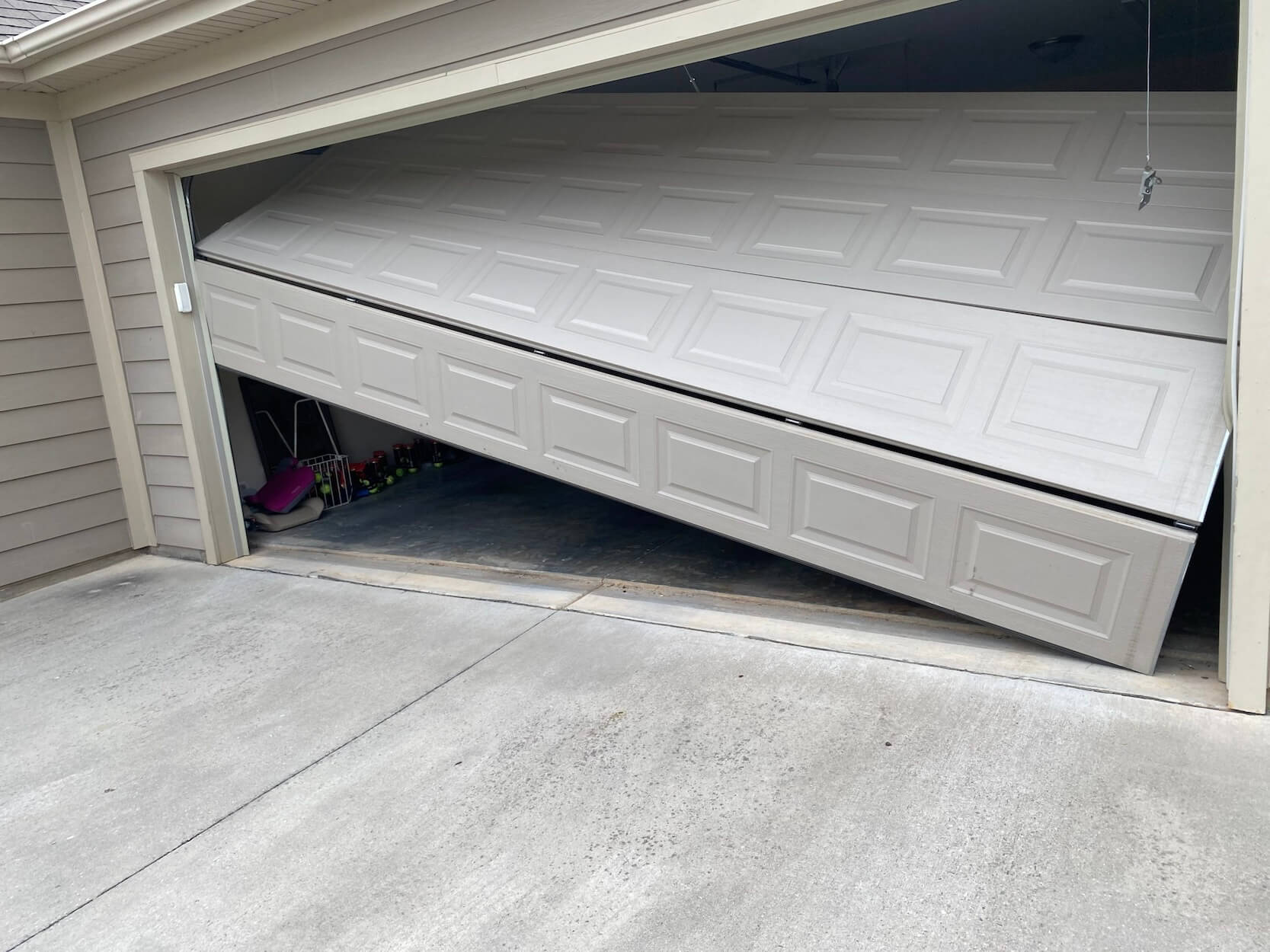
A loose, frayed or broken garage door cable can leave one side of the door lower than the other and place the full opening at risk. Stop the opener and do not touch the cable, drum or bottom bracket. Colorado Springs cable repair should secure the door, identify why tension was lost, inspect both sides, restore balance and test safe travel.
How do you know a garage door cable needs repair?
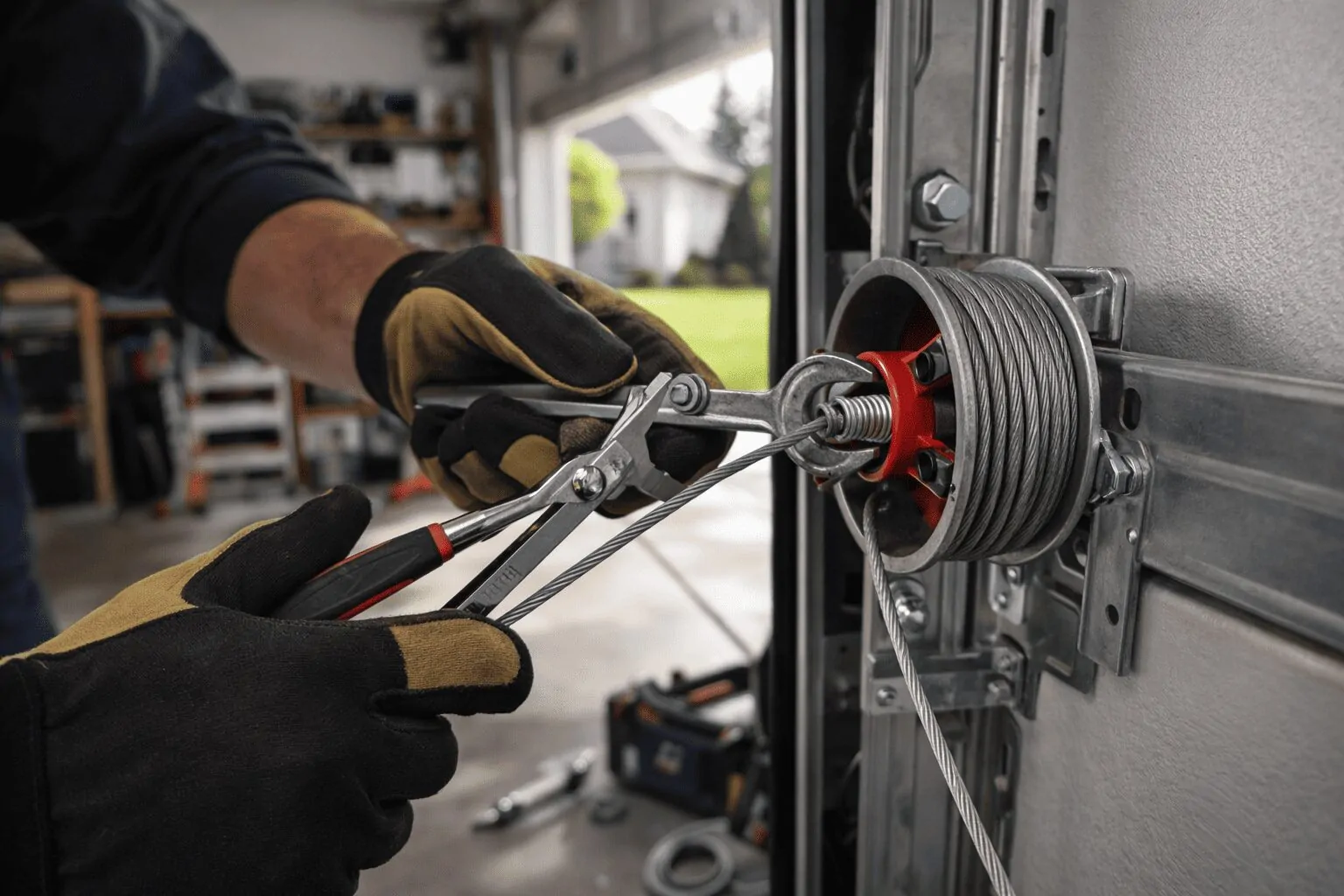
Lift cables translate spring force into controlled door movement. They are small compared with the door, but they carry serious tension and share load with springs, drums and bottom fixtures. A cable that jumps a drum is not simply a line to place back into a groove: the technician has to determine whether the cause was spring imbalance, track resistance, a damaged drum, corrosion, impact or a worn cable.
Symptoms that deserve a closer look
- One side of the door sits lower or reaches the floor first.
- A cable hangs loose beside the track or has slipped off a drum.
- Individual wire strands look broken, flattened or rusted.
- The door jerks, binds or stops partway through travel.
- A bottom bracket is bent, corroded or pulling away from the section.
What causes this problem?
Spring imbalance
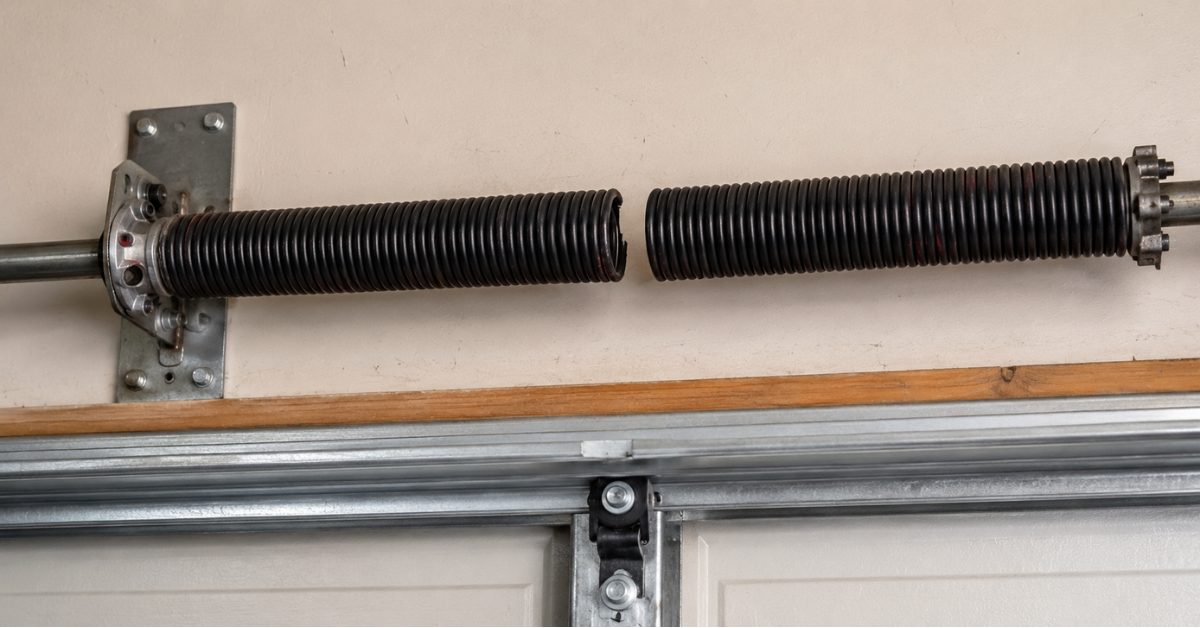
A broken, weak or incorrectly sized spring can remove even tension and let a cable unwrap or jump the drum. Re-seating the cable without correcting balance invites another failure.
Drum or bearing wear
A damaged cable groove, loose set screw or shaft problem can change how the cable winds. Both drums and the shaft should be checked.
Track or roller resistance
A seized roller, bent track or loose hinge can make one side lag while cable tension changes. The moving cause belongs in the same diagnosis.
Corrosion and contamination
Wet vehicle runoff can carry mag-chloride and grit toward bottom hardware. Surface rust is not automatically structural failure, but broken strands, pitting and weakened fittings need attention.
Impact or section damage
A vehicle bump, hail-related crease or shifting panel can pull the lower fixture out of alignment and change the cable path.
Should you repair or replace?
When repair makes sense
Cable replacement is appropriate when the door sections, drums, springs and tracks remain serviceable and the scope can restore matched tension on both sides. The request should name whether one or both lift cables are being replaced, why the cable failed and whether drums, bearings or bottom fixtures are included. A cable should never be used to conceal a spring or track problem.
When replacement deserves comparison
Full door replacement deserves comparison only when cable failure is part of broad structural damage: torn bottom sections, badly bent tracks, incompatible lift hardware, widespread corrosion or repeated failures on an obsolete door. A frayed cable alone normally points to targeted repair, not a complete door sale.
What should happen during a service visit?
Make the door safe
Stop automatic movement when the door is crooked, unusually heavy, unsupported or unable to secure the opening. The first task is stability, not speed.
Document the symptom
Record the door position, sound, visible wear, opener response and whether weather or impact happened just before the fault.
Inspect connected hardware
Check springs, lift cables, drums, rollers, hinges, tracks, panels, opener load and safety controls instead of isolating one obvious part.
Explain the cause
Separate the failed component from secondary wear and explain why the door became noisy, heavy, crooked or intermittent.
Approve the written scope
List parts, labor, exclusions, access, preparation-scope caveats, warranty wording and any urgency charge before work begins.
Balance and safety-test
After repair, verify smooth travel, balance, photo-eye response and contact reversal according to the manufacturer instructions.
Why does Colorado Springs context matter?
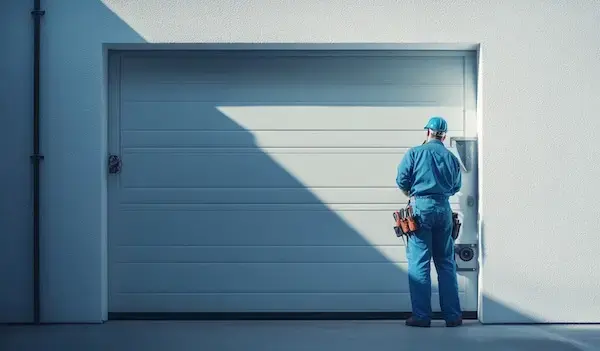
Colorado Springs freeze–thaw cycles can stiffen a bottom seal and increase resistance at the first morning opening. Winter road treatment carried into the garage can leave mag-chloride residue around the threshold, while wind-driven grit works into rollers and tracks. In Fountain and Security-Widefield, high-cycle household and military schedules can add wear; in Old Colorado City and Manitou Springs, older openings can have nonstandard cable lengths or tight geometry. Inspection must follow the actual door.
How can you reduce repeat trouble?
- Watch whether both bottom corners lift at the same time.
- Keep the threshold clean so grit does not collect around the bottom seal.
- Rinse winter residue where appropriate without spraying electrical parts.
- Never loosen bottom brackets; they remain connected to cable tension.
- Have new scraping, jerking or crooked travel inspected promptly.
- Record cable and spring specifications after completed work.
Safety boundary
Do not unwind springs, loosen cable drums or bottom brackets, bypass safety controls, push an occupied roller back into a track or stand beneath an unsupported door. Observation is useful; tensioned-hardware repair belongs to trained service.
What are common worries before booking?
A useful service conversation answers safety, scope and timing concerns without turning uncertainty into a sales claim.
Is putting the cable back on enough?
Not unless the cause is corrected. Spring imbalance, a damaged drum, track resistance or impact can make the cable leave the drum again.
Will the door fall if one cable is loose?
The door can become crooked or unsupported. Stop the opener, keep clear and do not touch the drum or bottom bracket.
Must both lift cables be replaced?
Matched wear can support replacing both, but condition, measurements and the failure cause should be shown rather than assumed.
Frequently asked questions
Can I put a garage door cable back on the drum?
No. Cable drums are connected to spring tension. Re-seating a cable without securing the door and correcting the cause can release stored energy or leave the door unbalanced.
Why did only one cable come loose?
One side may have met more resistance, a drum may be damaged, or spring balance may have changed. Both sides still need inspection because they work as one lift system.
Can corrosion be cleaned instead of replacing the cable?
Light surface residue may be cleaned, but broken strands, flattening, kinks, pitting or damaged fittings require a trained assessment. Cosmetic cleaning cannot restore lost cable strength.
Does a broken cable mean the spring is bad?
Not always, but spring condition and balance must be checked. A weak or broken spring can contribute to cable loss, and replacing only the visible cable may not solve the cause.
Should both cables be replaced together?
Matched age and wear can support replacing both, but the technician should show condition and explain the scope rather than apply a blanket rule.
Related services and areas
Not sure what failed?
Describe what the door is doing, its current position and any visible damage. Same-day slots can fill fast, but timing is only confirmed after contact. Calls are answered 24/7 at (719) 403-0616.