
Garage door opener service begins by deciding whether the motor or controls are faulty or whether the door itself is too heavy. Check power and visible photo-eye alignment, then stop if the motor hums, reverses or strains.
Why does a garage door opener hum, reverse or stop?
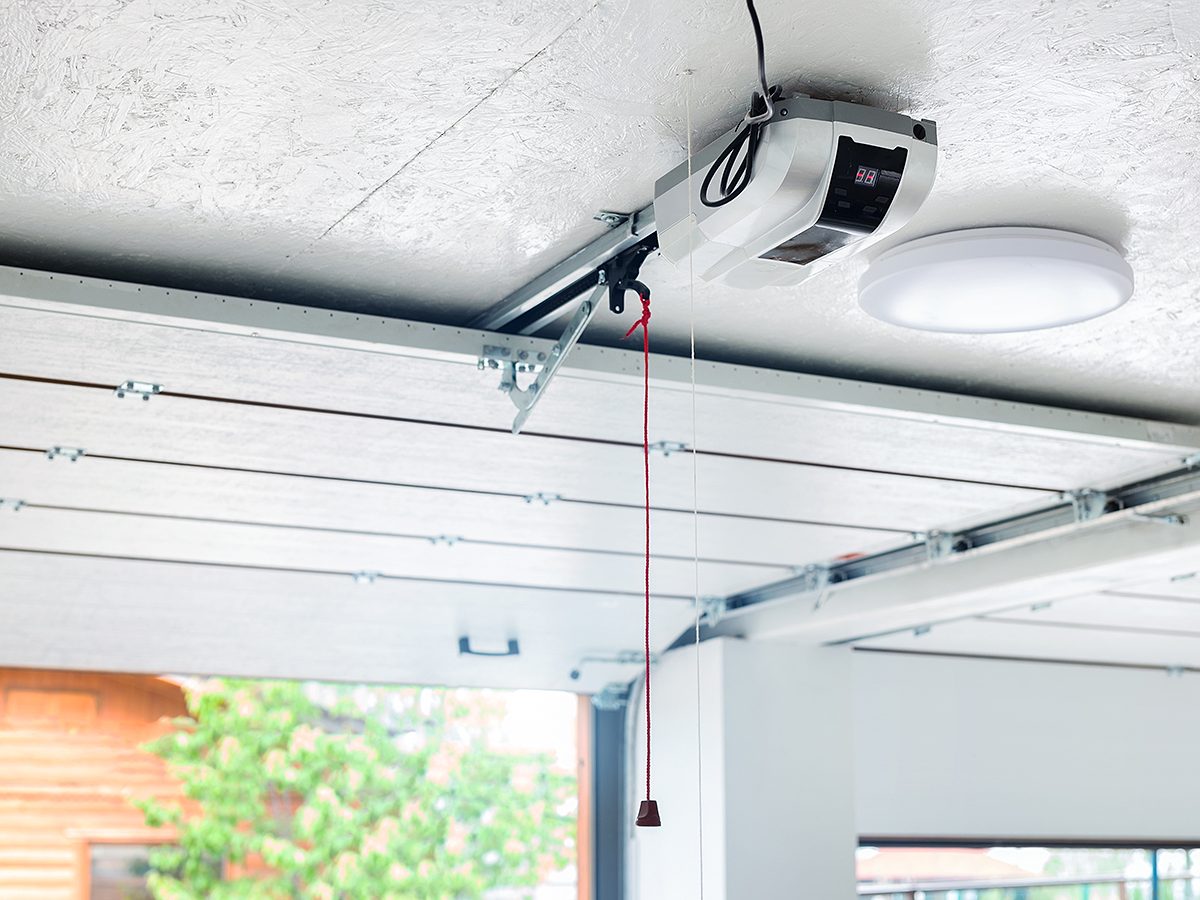
The cause may be power, remote programming, worn gears, travel limits, force settings, blocked safety sensors or excessive door resistance. The mechanical door must move safely before the motor, rail and controls can be judged.
Signs that deserve a closer look
- The wall control or remote produces no response even though the outlet has power.
- The motor hums or runs, but the trolley or door does not move.
- The door closes and immediately reverses without a visible obstruction.
- Travel stops short or loses its open and close limits.
- The opener becomes loud or cannot lift a door that suddenly feels heavy.
What can cause this problem?
Photo-eye sensor fault
Dirty, misaligned or damaged photo eyes interrupt the safety beam and should never be bypassed.
Logic board or control issue
Power events, wall controls, remotes or a failing logic board can cause intermittent response.
Gear, sprocket or trolley wear
The motor may run while worn internal drive parts prevent movement.
Door balance problem
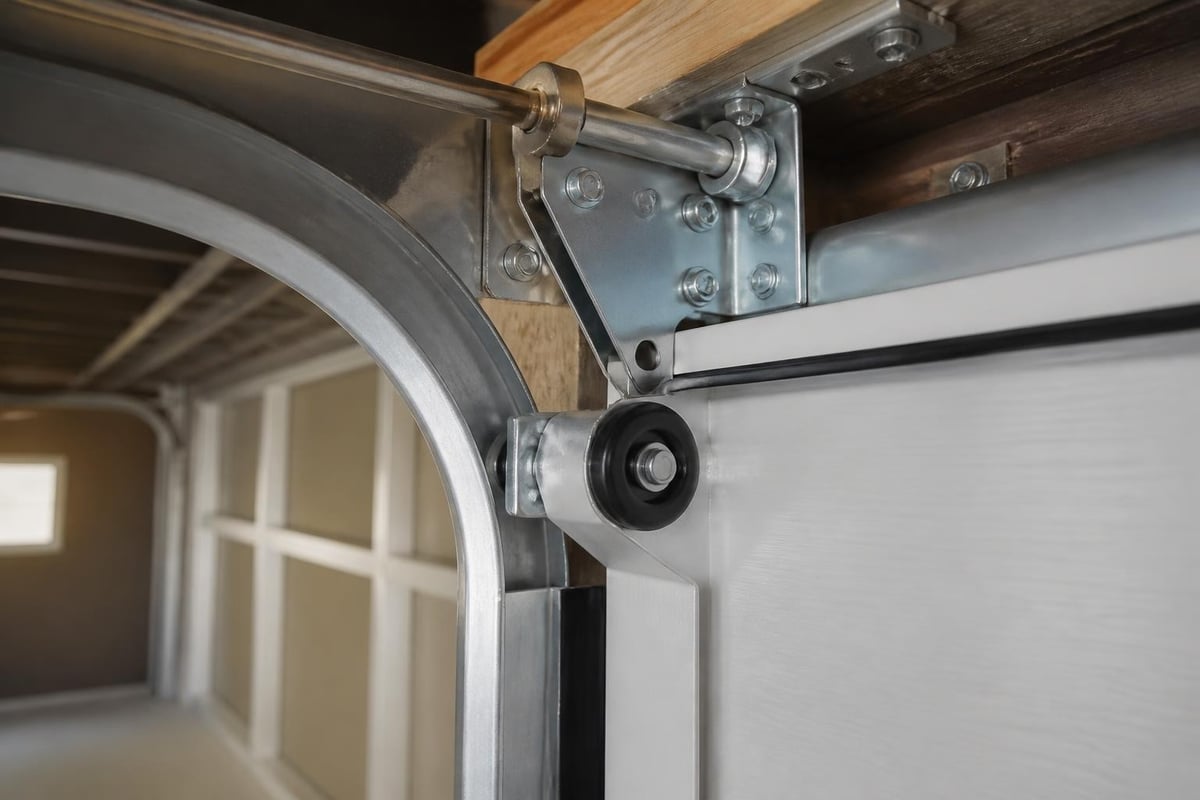
Broken springs, worn rollers, binding tracks and damaged hinges can make a healthy opener appear weak.
Drive or capacity mismatch
Belt, chain and other drive systems must suit the door weight, height and construction.
What happens during a service visit?
Make the opening safe
Stop automatic movement when the door is crooked, unusually heavy, unsupported or unable to secure the opening. Keep people and vehicles clear.
Describe the symptom
Note the door position, sound, visible damage, opener response and whether weather or impact happened just before the fault.
Inspect connected hardware
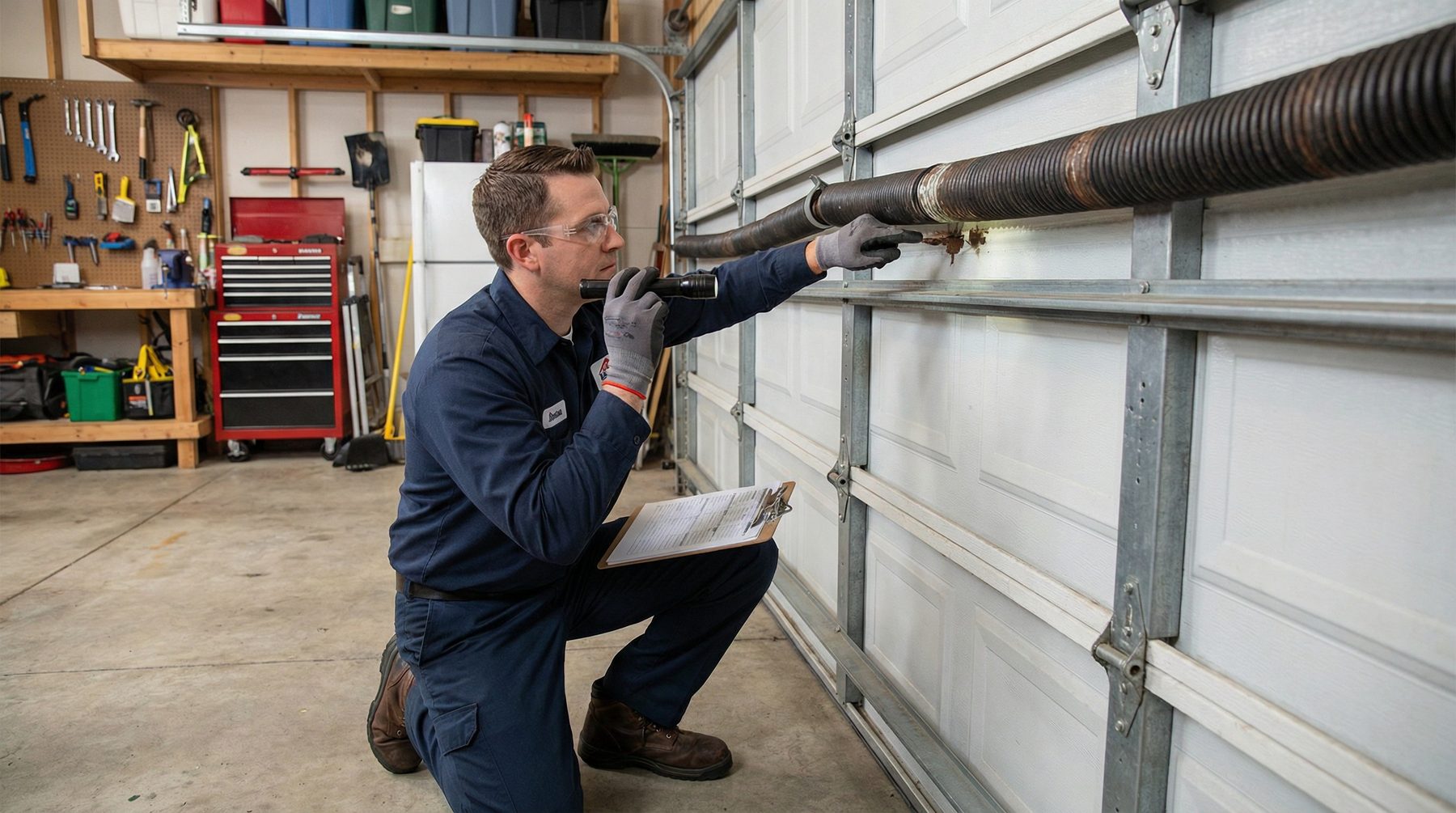
Check springs, lift cables, drums, rollers, hinges, tracks, panels, opener load and safety controls rather than isolating one obvious part.
Explain the cause
Separate the failed component from secondary wear and explain why the door became noisy, heavy, crooked or intermittent.
Confirm the service scope
Identify the work, parts, access needs, exclusions and safety steps before work begins.
Balance and safety-test
After service, verify smooth travel, balance, photo-eye response and contact reversal according to manufacturer instructions.
Why does Colorado Springs context matter?
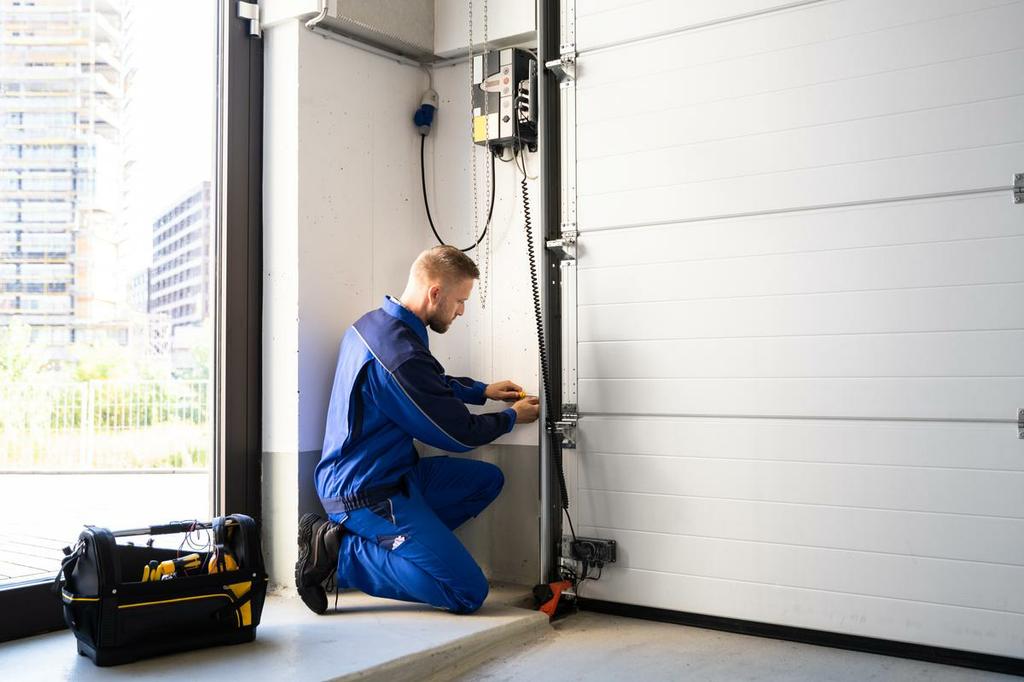
Wind-driven dust can coat photo eyes and moving hardware. Cold nights can stiffen worn rollers or expose a tired spring, making the opener look responsible when the mechanical door is the real cause. Model-specific testing and a balance check separate the faults.
How can you reduce repeat trouble?
- Wipe photo-eye lenses with a soft dry cloth.
- Test the wall control and remote batteries before assuming motor failure.
- Listen for rail vibration, gear grinding or a change in motor pitch.
- Do not use the opener to drag a heavy or crooked door.
- Follow the manufacturer procedure for safety reversal testing.
Safety boundary
Do not unwind springs, loosen cable drums or bottom brackets, bypass safety controls, push an occupied roller back into a track or stand beneath an unsupported door. Observation is useful; tensioned-hardware work belongs to trained service.
What are common worries before booking?
A useful service conversation answers safety, scope and timing concerns without turning uncertainty into a sales claim.
Does a humming motor mean I need a new opener?
Not always. A heavy door, stripped gear, disconnected trolley, sensor fault or control problem can produce similar symptoms.
Will a smart opener fix a hard-moving door?
No. Wi-Fi controls and battery backup add features, but they do not correct a weak spring, worn roller or binding track.
Can the force setting simply be increased?
It should not be used to overpower resistance. Door balance and safe travel must be restored before force or limits are adjusted.
Frequently asked questions
Why does the door close and immediately reopen?
Misaligned photo eyes, an obstruction, travel settings or excess mechanical resistance can trigger reversal.
Can I replace only the remote?
Yes, when the opener responds normally to the wall control and the remote is compatible.
Do all new openers include battery backup?
No. Features vary by model; confirm controls, rail length, lighting and backup capability for the selected unit.
Why does the door shake under opener power?
Worn rollers, loose hinges, track alignment, spring balance or trolley wear can all create shaking. Stop if one side lags.
Related services and areas
Not sure what failed?
Describe what the door is doing, its current position and any visible damage. Same-day slots can fill fast, but timing is only confirmed after contact. Calls are answered 24/7 at (719) 403-0616.