
There is no single best drive type, only the best fit for your garage. Belt drives are the quietest and suit bedrooms above the garage. Chain drives are the rugged, long-proven choice for heavy doors and detached garages. Screw drives have the fewest moving parts but react most to wide temperature swings, which matters in Colorado Springs.
It is just after six in the morning. Someone in the house leaves for an early shift, the opener starts, and the whole bedroom above the garage knows about it.
It is just after six in the morning. Someone in the house leaves for an early shift, the opener starts, and the whole bedroom above the garage knows about it. The rattle runs through the ceiling, and by the time the car backs out, nobody upstairs is asleep any more. A week later the same household starts shopping for a new opener, and the first question they meet sounds simple and turns out not to be: chain, belt, or screw drive? Most guides answer that question with a single winner. This one will not, because a single winner does not exist. The drive type is only the part of the opener that moves the door along its rail. It decides how much noise you hear, how much upkeep the opener asks for, and how it behaves when the door is heavy or the weather turns. It does not decide whether your door is safe or balanced. Get the choice right for your garage and your door, and daily life gets quieter. Get it wrong, and you can spend good money replacing an opener that was never the real problem.
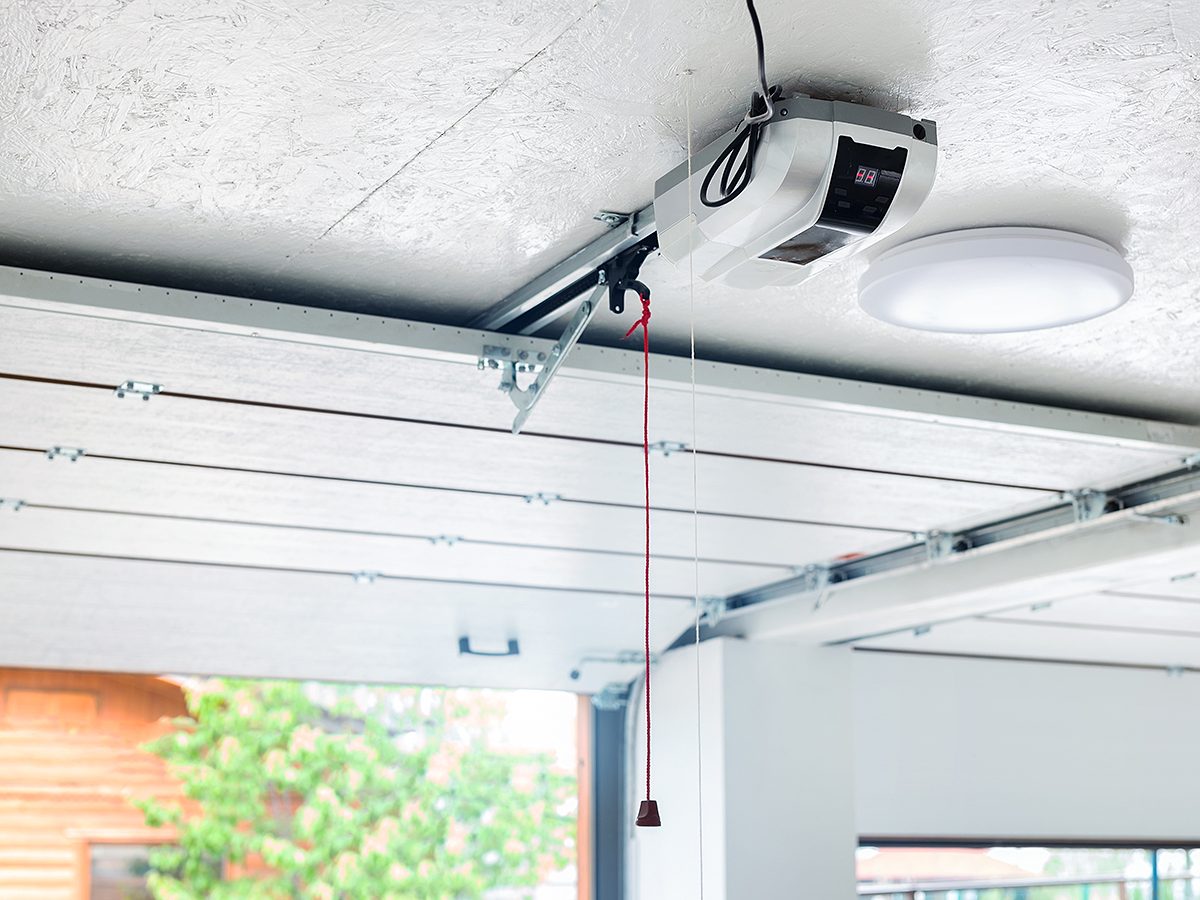
How do I tell which drive type I already have?
Stand in the garage with the door closed and look up at the rail that runs from the motor unit on the ceiling toward the wall above the door. You do not need to touch anything or open any cover. The drive type is visible on that rail. If you see a metal chain, link by link, like a heavy bicycle chain running along the rail, you have a chain drive. If you see a flat, dark belt, usually rubber reinforced with steel or fibre, in the same place, you have a belt drive. If you see a long threaded rod, like one giant screw, with a carriage that travels along its threads, you have a screw drive. If you see no rail at all and a small unit mounted on the wall beside the door, you have a wall-mounted jackshaft opener, a different design outside this comparison. Knowing what you already own matters. It stops you paying to replace a drive type you already have, and day-to-day symptoms often trace back to the drive: a chain that needs tension, a belt gone stiff in a cold snap, or a screw thread gone dry and dusty. The sections below take each type in turn, honestly, including the drawbacks the brochures skip.
What is a chain drive opener, really?
A chain drive is the oldest and most common residential opener design, and it works exactly as it looks. A motor turns a sprocket, the sprocket pulls a metal chain, and the chain drags a trolley along the rail. The trolley is attached to the door, so the door follows. It is a direct, mechanical connection, and that simplicity is both its strength and its noise. The honest strengths are real. A chain grips and pulls without slipping, so it copes well with heavy doors: solid wood doors, large double doors, and older carriage-style doors that weigh far more than a standard steel door. It tolerates a door that is not perfectly balanced better than the other two types, at least for a while, because the chain simply hauls through the extra resistance. Parts are widely available, and a well-kept chain drive commonly serves for many years. The honest weaknesses are equally real. Metal on metal is loud. The chain rattles against the rail and the sprocket, and that vibration travels through the mounting brackets into the ceiling joists and the floor above. In a detached garage that hardly matters. In an attached garage with a bedroom above it, it matters every morning. A chain also stretches slowly with use. As it stretches it sags, the door starts and stops less smoothly, and the tension needs adjusting. It needs lubrication on a schedule, and in a dusty or unheated garage that schedule matters more, not less. A chain drive is not a bad opener. It is a loud, strong, honest opener, and for some garages that is exactly right.
What is a belt drive opener, really?
A belt drive works the same way as a chain drive, with one swap: a steel-reinforced rubber or polyurethane belt replaces the chain. The motor turns a pulley instead of a sprocket, and the belt pulls the trolley along the rail. That single change removes most metal-on-metal contact, and with it, most of the noise and vibration. That quiet is the reason most attached-garage households choose a belt drive, and it is not a small difference. Without the chain rattle, the opener hums rather than clanks, and far less vibration reaches the room above. Belt drives also run smoothly, with a softer start and stop on many models, which means less jolt to the door at each end of travel. Upkeep is lighter: no chain to lubricate, no chain stretch to adjust, and the belt itself needs little beyond an occasional visual check. The trade-offs deserve the same plain language. A belt cannot haul quite like a chain. For a standard single or double steel door, that is no problem at all. For a very heavy door, the belt works near its comfortable limit, and a chain or a higher-rated unit is the safer match. Rubber also changes with temperature. In a cold garage a belt stiffens, and on the coldest mornings the opener may sound strained for the first cycle until things warm and flex. Belt drives are also less forgiving of a door that is out of balance, because there is no chain to muscle through the extra load; the opener strains, and strain shortens the life of any opener. A belt drive is the quiet, low-upkeep choice, provided the door it lifts is within its comfortable weight.
What is a screw drive opener, really?
A screw drive drops the chain and the belt altogether. A motor rotates a long threaded steel rod, and a carriage rides along the threads, pushing and pulling the door. There are fewer moving parts than in either of the other designs: no chain to stretch, no belt to wear, no sprocket or pulley in the same sense. That simplicity gives screw drives their reputation for smooth, steady travel and light upkeep. Speed is the other feature people notice. Screw drives typically move the door a little faster than chain or belt drives, so the wait at the end of the driveway is slightly shorter. The catch is temperature. A steel rod expands in heat and contracts in cold, and the carriage has to follow those changes. In a climate with steady temperatures that is barely noticeable. In Colorado Springs, where an unheated garage can swing from a sunny afternoon to a hard overnight freeze, the change is larger, and an older screw drive can grow noisier, slower, or less smooth as the seasons turn. Screw drives also need their thread kept clean and correctly lubricated; dust from Front Range winds can work into the thread and make the carriage drag. Like a belt drive, a screw drive is not the best partner for a very heavy door. It is a smooth, simple opener that rewards stable conditions and regular thread care, and it asks more of its owner in a climate that swings.
How do the three drives compare side by side?
No single row of this comparison crowns a winner, because the rows pull in different directions. Read it against your own garage.
| Compare | Chain drive | Belt drive | Screw drive |
|---|---|---|---|
| Noise and vibration | Loudest; rattle travels into rooms above. | Quietest; vibration largely absorbed. | In between; smooth, but can grow noisier with temperature swings. |
| Best door weight | Heaviest doors; strongest pull. | Standard doors; less suited to very heavy doors. | Standard to moderately heavy doors. |
| Upkeep | Most: lubrication and chain tension adjustment. | Least: occasional visual check. | Light: thread cleaning and lubrication. |
| Cold-weather behaviour | Reliable in cold; grease stiffens and chain needs care. | Belt stiffens on the coldest mornings. | Rod expansion and contraction across wide swings. |
| Speed | Standard. | Standard. | Slightly faster. |
The pattern is simple. Chain buys strength and pays in noise and upkeep. Belt buys quiet and pays with a lower comfortable weight limit. Screw buys simplicity and speed and pays with sensitivity to temperature change. Your garage decides which trade is worth making.
Which drive type fits which Colorado Springs home?
Start with the room above the garage, not the opener catalogue. If a bedroom, nursery, or home office sits above or beside the garage, noise is not a minor feature; it is the feature you will live with twice a day. For those homes a belt drive is usually the right answer, provided the door is a standard weight. Shift workers, light sleepers, and families with babies notice this most, because the opener runs when the house is quietest. If the garage is detached, a workshop, or separated from living space, the noise question mostly disappears. Then a chain drive makes strong sense, especially for a heavy or oversized door, because you keep the strength and the proven design and never hear the rattle from inside the house. If your door is a standard-weight insulated steel door, the garage is attached, and you want the simplest upkeep, a belt drive or a screw drive both fit, and the choice turns on temperature. A garage that stays reasonably steady through winter leans toward a screw drive. A garage that freezes hard overnight and bakes in afternoon sun leans toward a belt drive, which has no steel rod expanding and contracting through the same swing. Two more household shapes matter. Homes with a very heavy carriage-style or solid wood door should lean chain, whatever the noise, because the drive must be comfortable with the load every day, not just on a good day. Homes governed by a homeowners association should check its rules before choosing: some restrict opener noise or visible equipment, and it is far easier to choose a quiet drive at the start than to argue about one afterwards.
What does Colorado Springs weather do to each drive?
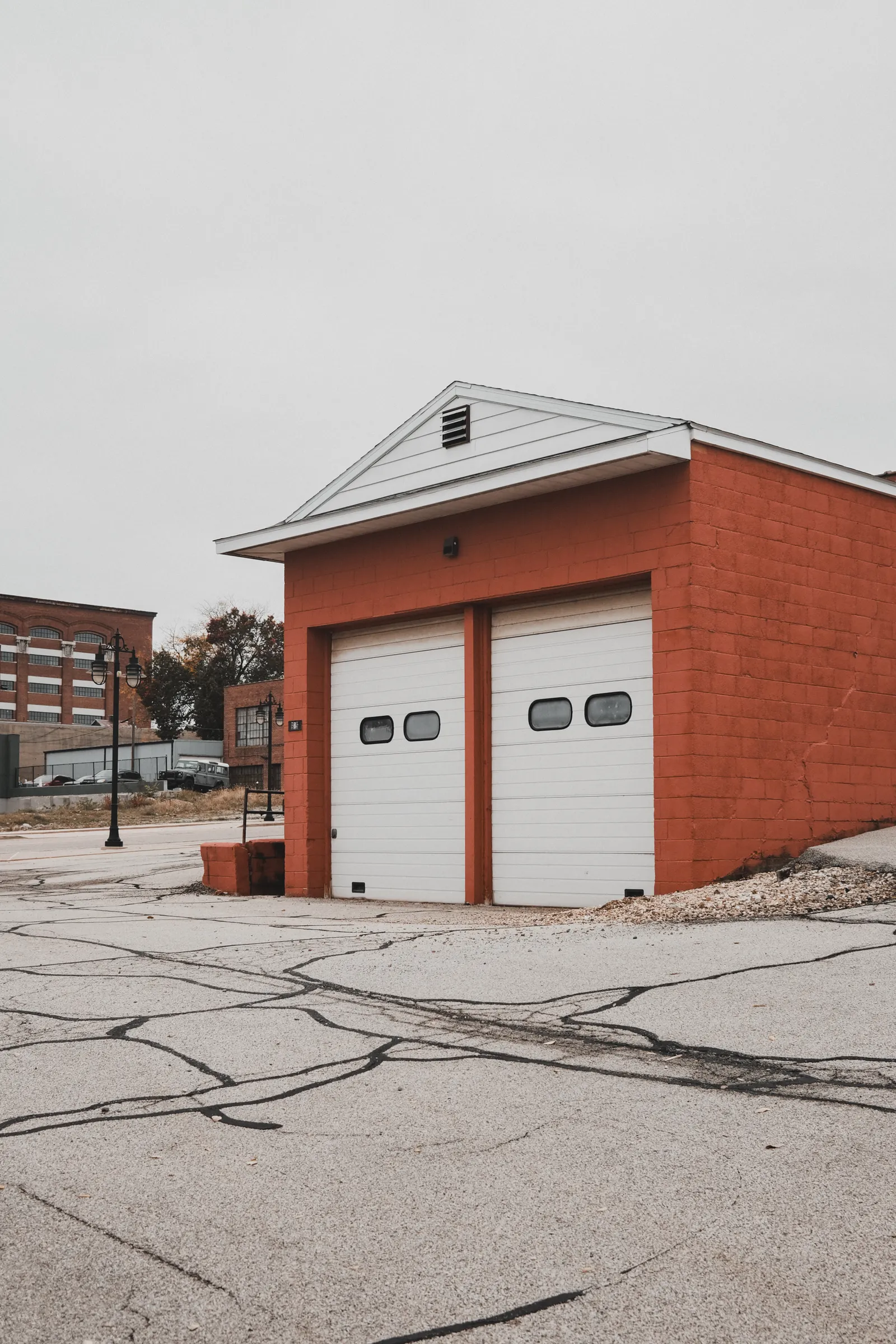
Colorado Springs is not a gentle climate for garage equipment, and the local details are where generic comparisons go thin. The city sits above six thousand feet, where thin air and strong sun combine with big daily temperature swings. An unheated garage can be warm in afternoon sun and below freezing by morning, and that swing repeats all winter. Grease stiffens in the cold, metal contracts, and a door that moved freely in October can feel heavier in January. For chain drives, winter means the lubricant matters. Cold grease drags, the chain runs louder, and a chain that was already slack gets noisier still. A pre-winter check of tension and lubrication is worth more here than in a mild climate. For belt drives, winter means stiffness. A rubber belt loses flexibility in a cold garage, so the first cycle of a freezing morning can sound strained and slow. That usually eases as the belt flexes, but a belt that stays stiff, cracked, or frayed has aged and deserves attention before it fails outright. For screw drives, the swing itself is the issue. The threaded rod lengthens and shortens across the season, and the carriage fit changes with it. Dust makes it worse: Front Range wind drives fine dust into garages, and dust on a dry thread turns smooth travel into drag. One more local habit catches every drive type equally. Meltwater runs under the bottom seal on a sunny winter day and freezes to the concrete overnight. The next morning the door is effectively glued down, and every drive type strains against it. If your opener labours on a cold morning, check the bottom seal before blaming the drive. A door frozen to the floor is not a drive fault, and forcing it risks bending the bottom section or tearing the seal.
What upkeep does each drive actually need?
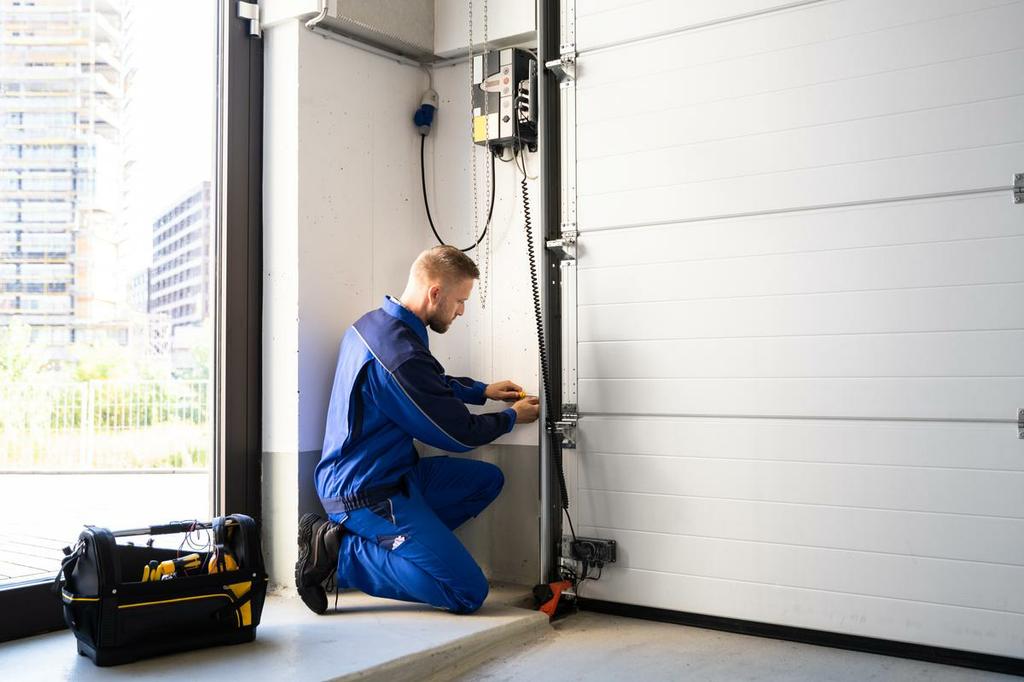
Upkeep is where the three types separate most honestly, because it is the work you will either do or ignore. Chain drives ask the most: wipe the rail, lubricate the chain with the lubricant your opener's manual specifies, and check the tension so the chain neither sags nor runs guitar-string tight. Do that on the manual's schedule, and more often if the garage is dusty. Belt drives ask the least: look at the belt now and then for cracks, fraying, or glazing, keep the rail clear, and wipe away dust. Screw drives sit in between: keep the thread clean, keep it lubricated as the manual directs, and listen for a change in sound that suggests grit in the thread. Here is the safe DIY line, and it matters more than the drive debate. Safe for a homeowner: looking, listening, wiping, clearing the doorway, and running the monthly auto-reverse test described in our sensor guide. Never DIY: unwinding or adjusting springs, loosening cable drums or bottom brackets, opening the opener motor housing to reach internal gears, or forcing a door that is heavy, crooked, or off its track. Drive upkeep never requires touching tensioned hardware. A quiet belt will not save a door with a failing spring, and no drive type makes a broken spring safe to handle.
When is a new drive type NOT the fix?
This is the question most comparisons skip, and it saves the most wasted spending. If any of these match, the drive type is probably not your problem.
- The door is heavy to lift by hand
- The door will not stay halfway up when disconnected
- The door runs crooked
- The door grinds on its track
- The door reverses for no clear reason
Those symptoms point to springs, cables, rollers, tracks, or balance, and a new opener of any drive type will inherit the same struggling door. The check is simple and safe. Disconnect the opener with the red release cord, lift the door by hand to about halfway, and let go. A healthy door moves smoothly and stays where you leave it, because the springs are doing the lifting and the opener is only guiding. If the door is heavy, drops, or will not stay up, the door needs attention first, and the drive discussion waits until after it. Our guide to an opener that hums but does not move walks through that test in full, and it is worth reading before you shop.
What about the worries that delay the decision?
Three worries come up in almost every conversation about replacing an opener: safety, time, and disruption. Safety first: a new opener does not make a door safe on its own. Safety comes from the door's balance, the photo-eye sensors, and the auto-reverse test, all of which a technician checks as part of a proper visit. If your current opener predates photo-eye sensors, that alone is a reason to talk to a professional. Time and disruption worry people almost as much. An opener replacement is typically a single-visit job, not a multi-day project, and you do not need to empty the garage. Clear access to the doorway, the ceiling rail, and the motor unit is enough, and the technician handles the heavy and tensioned parts. The door is left either working properly or safely secured, and the safety reverse is tested before the visit ends.
A five-question decision checklist
Answer these in order, and the drive type usually picks itself. One, is there a bedroom or office above or beside the garage? If yes, lean belt. Two, is the door very heavy, oversized, or solid wood? If yes, lean chain. Three, is the garage detached or far from living space? If yes, chain becomes easy to live with. Four, does the garage swing hard between warm afternoons and freezing nights? If yes, lean belt over screw. Five, is the door itself heavy, crooked, or unbalanced by hand? If yes, stop shopping for a drive and get the door checked first.
What to read next
If this comparison pointed to an opener fault rather than a door fault, read our garage door opener repair service page, which explains how opener diagnosis and repair are handled, and our homepage gives an overview of garage door services in Colorado Springs. Two related guides are worth reading alongside this one: our photo-eye sensor alignment and cleaning guide, and our step-by-step remote troubleshooting guide, which helps you rule out the remote before blaming the drive.
Questions homeowners ask about this topic
Can I switch from a chain drive to a belt drive without replacing the whole opener?
Usually not. The chain, belt, rail, and motor unit are matched as a set, and converting one drive type into another is rarely a supported option. In practice, changing drive type means replacing the opener unit, while the door, tracks, and springs stay in place provided they are in good condition.
Is a belt drive strong enough for a double garage door?
For a standard double steel door, yes. Belt drives are designed for ordinary residential doors, including doubles. The limit appears with very heavy doors, such as solid wood or oversized carriage-style doors, where a chain drive is the more comfortable match.
Do screw drive openers work in Colorado winters?
They can, but wide temperature swings are their weak point. The threaded rod expands and contracts with temperature, and a garage that swings from sunny afternoons to freezing nights shows that change more than a steady garage. Keeping the thread clean and lubricated helps, but households with large daily swings often find a belt drive more consistent in winter.
Why is my chain drive louder in winter?
Cold stiffens lubricant and contracts metal, so a chain that ran quietly in mild weather rattles more on cold mornings. A slack chain gets louder still. Checking tension and lubrication before winter usually calms it, but if the noise grows suddenly or the door moves unevenly, the door itself may need checking rather than the chain.
Will a quieter opener stop vibration in the room above the garage?
It will reduce the part of the vibration that comes from the opener, often the largest part with a chain drive. It will not remove vibration from the door itself, such as worn rollers or loose track hardware. If vibration remains afterwards, the door hardware is the next place to look.
How do I know if my door is too heavy for my opener?
Use the manual-lift test: disconnect the opener and lift the door by hand. If it moves smoothly and stays halfway up, the springs are carrying the weight and the opener is guiding, which is correct. If the door is very heavy, drops, or will not stay up, the door needs attention before any drive decision, because no drive type is meant to haul an unbalanced door every day.
Stop before tensioned hardware
Do not unwind torsion or extension springs, loosen cable drums or bottom brackets, bypass photo eyes or push an off-track door into place. If the door becomes heavy, crooked or unsupported, keep people clear and use the emergency garage door repair guide.
Which garage door service pages should you read next?
Which related Colorado Springs guides add context?
Not sure what failed?
Describe what the door is doing, its current position and any visible damage. Same-day slots can fill fast, but timing is only confirmed after contact. Calls are answered 24/7 at (719) 403-0616.