
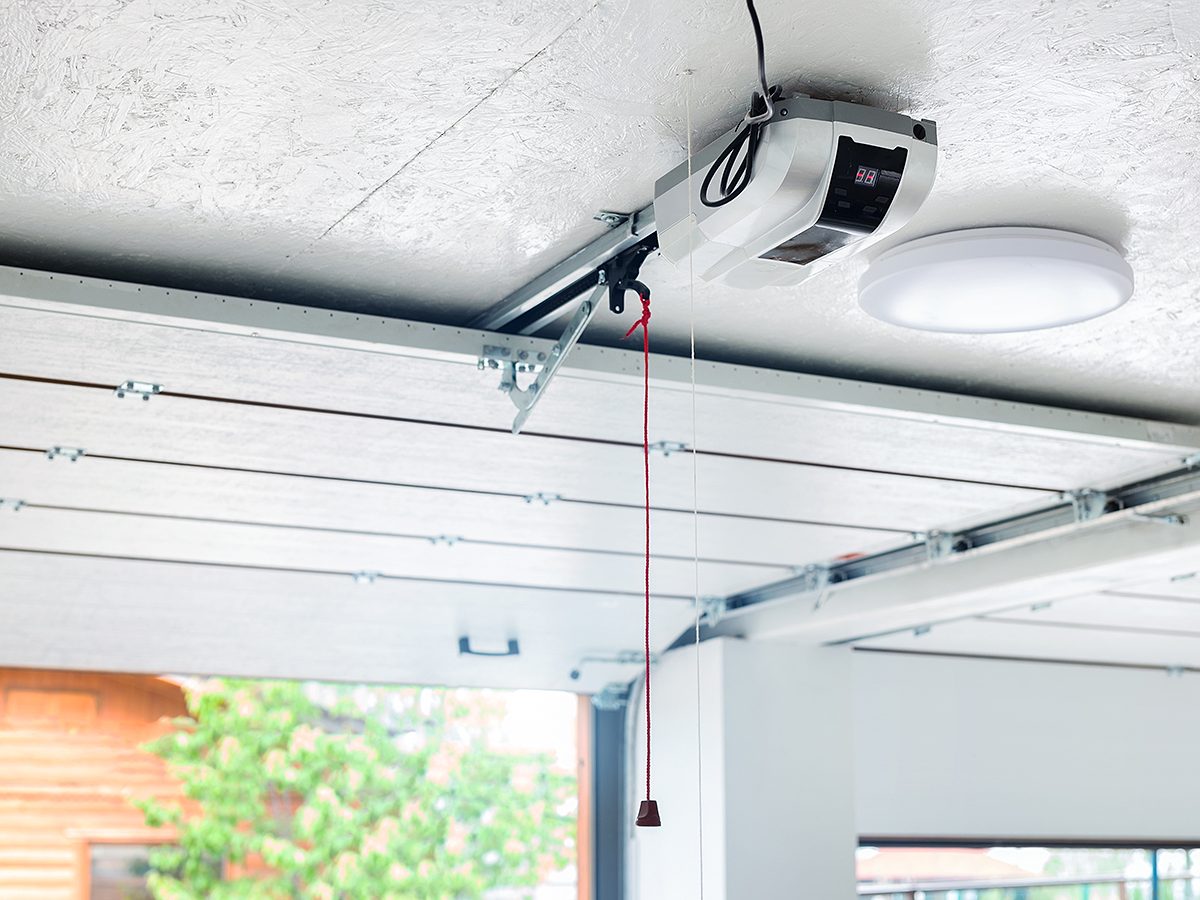
A humming opener means power reaches the motor but something stops it turning or lifting the door. Disconnect with the red cord and lift by hand: if the door moves and stays halfway, the opener is at fault. If it is heavy, stuck, or will not stay up, the door — spring, cable, track, or ice — is at fault.
Your car is in the garage, your morning is already running late, and the opener answers your remote with a low hum — but the door does not move an inch.
Your car is in the garage, your morning is already running late, and the opener answers your remote with a low hum — but the door does not move an inch. You press the button again. Same hum, same closed door. That sound is frustrating, but it is also useful: a hum tells you more than silence does. Silence can mean no power at all. A hum means power is reaching the motor, yet the motor cannot start turning or cannot move the load attached to it. Your job is to work out which side has failed — the motor, or the door it is trying to lift — without forcing anything and without touching parts that can hurt you. This guide walks through the checks in the safest order and tells you plainly where to stop.
What does a humming opener actually mean?
An opener motor hums when it is energized but not rotating: effort goes in, but nothing moves. That happens for two broad reasons. Either the motor itself cannot start — a worn internal part or a failed starting component leaves it buzzing in place — or the motor is fine but the load is too great or jammed, so it stalls against a door that cannot travel. The fixes are completely different, and one of them involves parts under dangerous tension. You can usually tell the two apart with one safe test, described below, before you take anything apart.
How long does it hum? Read the hum before you touch anything
Before you disconnect or adjust anything, press the button once and listen, then stop. The pattern of the hum narrows the problem fast:
- A brief hum, then silence. The motor tries, gives up, and cuts out. This often points to a door that is jammed, locked, or far too heavy for the motor — or to a motor whose overload protection has tripped.
- A steady hum for roughly 30 seconds, then silence. Many openers run the motor for a fixed window and shut off when the door has not moved. A jammed track, frozen seal, or broken spring can all produce this pattern.
- A hum that continues until you unplug the opener or press the button again. A motor that keeps buzzing without turning often points to an internal starting fault, such as a failed capacitor, or to a stripped gear that lets the motor spin without moving anything.
Do not keep pressing the button. Each attempt heats the motor a little more, and a motor stalled against a jam can overheat. One careful listen, then move on to the hands-on check.
The manual-lift test: the one check that separates motor from door
This is the most useful test in this guide. Find the red emergency release cord hanging from the opener rail and pull it down. You should hear or feel the trolley disconnect from the drive. Now lift the door by hand from the bottom, using both hands.
- The door lifts smoothly, feels balanced, and stays put halfway up. The door itself is fine. The problem lives in the opener — its drive, gears, or motor.
- The door is very heavy, drops back down, or will not stay halfway. The door has a balance problem, most commonly a broken or weakened spring. The motor was humming because it was being asked to lift a weight it was never meant to lift alone.
- The door will not move at all, moves only a few inches, or goes up crooked. Something is jammed, locked, off its track, or frozen in place. Do not force it.
If the door passes the manual test, reconnect the trolley later by pulling the cord toward the door and running the opener until it clicks back into place. If the door fails, leave it closed, keep the opener disconnected, and read on to identify what you are dealing with.
Is the trolley disengaged, or is a manual lock engaged?
Start with the simplest causes, because they are also the easiest to miss. If someone pulled the red release cord recently — during a power outage, for example — the trolley may still be disconnected, and the motor will hum while the door stays exactly where it is. Re-engage the trolley and test again. Next, check for a manual slide lock on the inside of the door. Many doors have a small latch that slides into the track, and if it is engaged, the opener will strain and hum against a door that is deliberately locked shut. Slide it open and try again. Both checks take seconds and solve the problem more often than people expect.
Is something blocking or binding the track?
A door that binds in its tracks can stop a healthy motor cold. Walk along both vertical tracks and look for obvious trouble: a roller that has popped out of the track, a bent section of track, a box or tool leaning against the door, or grit built up in the track channel. Also check the rollers themselves — a seized or broken roller drags instead of rolling, and several dragging rollers together can stall the motor.
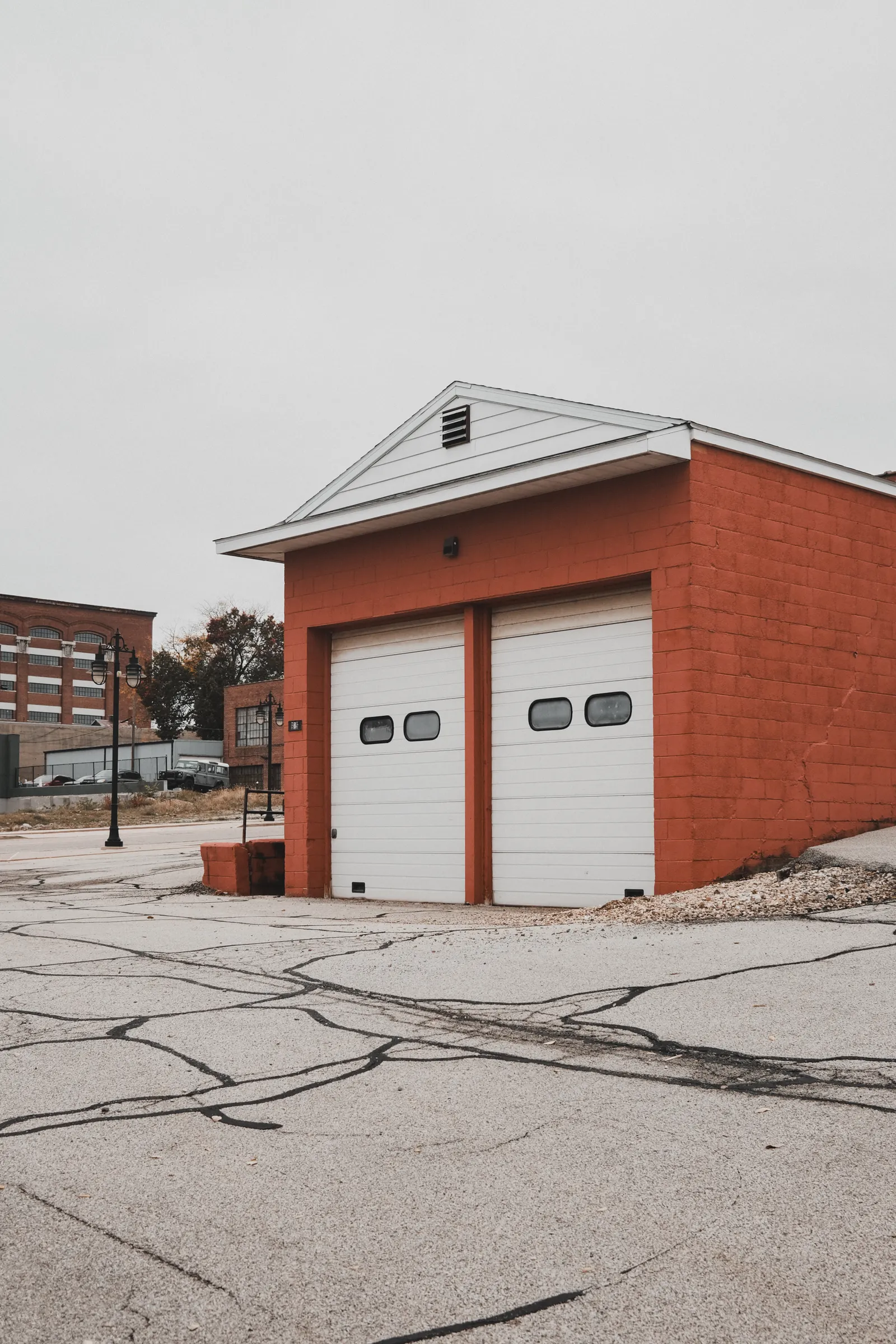
Clear any obstruction you can reach safely from the ground, and do not try to bend a track back into shape or force a roller back in while the door is under spring tension. If the door is visibly crooked in the opening, stop: that is an off-track door, covered below, and it needs a professional.
Could a broken spring be the reason the motor only hums?
Yes — and this is the most common serious cause. Garage door springs do the heavy lifting; the opener only guides a balanced door. When a torsion spring breaks, the full weight of the door suddenly falls on the opener, and a motor that coped fine yesterday will hum and stall today.
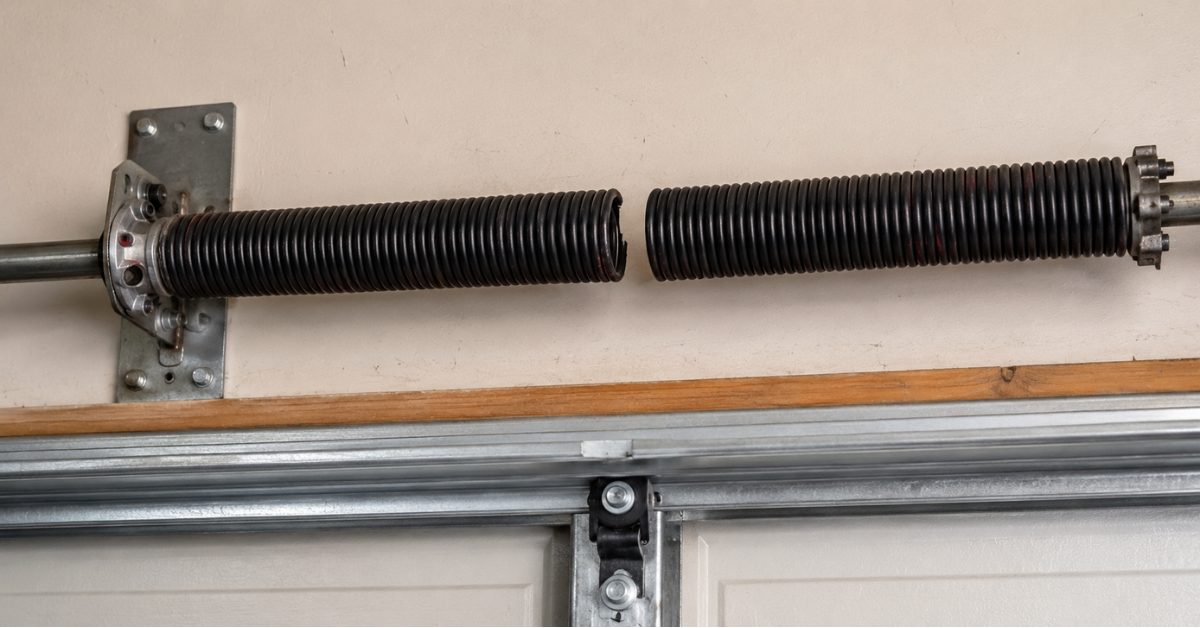
Look for the clues: a loud bang heard earlier from the garage, a visible gap in the coil of the spring above the door, or a door that feels far heavier than usual in the manual-lift test. If you see a gap in the spring coil or the door is dramatically heavy, do not try to open it, do not touch the spring, and do not keep running the opener. Springs and their cables are under extreme tension and can cause serious injury when they fail or are handled incorrectly. This is a professional repair, full stop.
What if a cable has snapped or the door is off its track?
Cables work with the springs to keep the door level and controlled. If a cable snaps, one side loses support, the door hangs crooked, and the opener hums against a load it cannot move evenly. Signs include a door that sits lower on one side, a loose cable hanging beside the track, or a door that jammed halfway and now leans. An off-track door is in the same category: rollers out of the track, a door leaning into the opening, or a door that dropped suddenly. In both cases, stop using the opener, keep the door closed if you can, and do not try to lift it or push it back into place. A crooked, unsupported door can fall or shift without warning, and re-seating it safely requires releasing tension in the right order.
Why does the motor run but the chain or belt not move?
Listen from the side while the button is pressed briefly. If the motor sounds like it is spinning but the chain or belt stays still, or you hear grinding or clicking from the motor housing, the internal drive gear has likely stripped. Most residential openers use a plastic drive gear that wears over years of use, and when its teeth shear off, the motor spins freely inside while nothing reaches the door. The unit sounds busy, yet the door never moves. Replacing a drive gear is a repair job, not a homeowner adjustment, because it means opening the motor housing and re-timing the drive. Treat it as a likely gear failure and get it repaired.
What is a start capacitor, and can it cause a hum with no movement?
A start capacitor is a small component inside the opener that gives the motor the extra push it needs to begin rotating. When it fails, the motor may produce a weak hum, vibrate slightly, and never spin up — the classic "hums but does not move" complaint with no other obvious fault. Sometimes the motor will start if the door is helped by hand, which is a clue, but do not use that as a workaround: a motor running without its starting component strains itself and can overheat. Capacitor failure is an internal electrical repair, not a battery swap or a settings change, and the housing should not be opened by anyone unfamiliar with opener electronics. If the hum is weak and buzzy with no movement and the door passes the manual-lift test, a failed capacitor is a strong suspect for the technician to check.
Could cold weather or ice be holding the door shut?
In Colorado Springs, yes, and this is one of the most overlooked causes. On a cold morning, the rubber bottom seal can freeze to the concrete floor overnight, effectively gluing the door shut. The opener hums against a door bonded to the ground, and if the seal tears free, the door may lurch. Before assuming a mechanical failure on a freezing morning, check whether the bottom seal is stuck to the floor. If it is, gentle warmth — not a pry bar and not repeated opener attempts — is the answer, and once the door is free, the opener will usually run normally. Cold also thickens old lubricant on tracks and rollers, so a marginal opener that copes in summer may hum and stall on the first cold snap of autumn. A door that hums only on cold mornings, and works fine by afternoon, deserves a maintenance look rather than a new motor.
Why does the motor hum, stop, and then hum again later?
Many opener motors have thermal overload protection: when the motor overheats from straining, it shuts itself off, cools down, and then will try again. If your opener hums, goes quiet, and hums again after a rest, the motor is probably overheating against a load it cannot move. Let it cool fully, fix the underlying cause — the jam, the ice, the binding track — and then retest exactly once. Do not cycle the opener repeatedly hoping it will eventually push through. Repeated stalling heats the motor further and can turn a simple obstruction into a burned-out motor. If the opener hums again after the door moves freely by hand, the fault is internal and the motor needs professional attention.
Why do humming-opener problems show up more in Colorado Springs?
Local conditions stack the odds against openers here in ways generic guides miss. The Front Range freeze-thaw cycle is the biggest factor: a warm afternoon followed by a freezing night leaves meltwater under the bottom seal, which freezes the door to the concrete by morning, while the same swing stiffens old lubricant so rollers drag instead of rolling. Wind-blown dust and grit, common along the Front Range, work into tracks and roller bearings over time and add friction a healthy opener barely notices — until a spring weakens or a gear wears, and then the extra drag is enough to stall the motor. Colorado Springs homes also tend to have heavy insulated steel doors, excellent for winter comfort but unforgiving when a spring weakens: the first symptom of a failing spring is often a straining, humming motor rather than a door that visibly sags. And in the city's older neighbourhoods, 1970s- to 1990s-era homes still run original chain-drive openers whose plastic gears have had decades to wear; those units hum and grind where a newer belt drive would still cope. If your door hums on cold, dusty, or windy mornings but behaves in mild weather, the local environment is part of the story, and a maintenance visit that cleans tracks, refreshes lubricant, and checks spring balance will usually tell you more than replacing parts blindly.
What is safe to try yourself, and what should you never touch?
Draw the line clearly, and stay on the safe side of it.
Safe for a homeowner: re-engaging the trolley after a release-cord pull; sliding open a manual lock; clearing an obvious obstruction from the track; the manual-lift test described above; checking whether the bottom seal is frozen to the floor; and a single retest after the motor has cooled. All of these are done from the ground, with the opener unplugged or disconnected where appropriate, and none involves tensioned parts.
Never attempt yourself: touching, adjusting, or replacing torsion or extension springs; handling cables or cable drums; re-seating an off-track or crooked door; opening the motor housing to reach gears, capacitors, or circuit boards; or forcing a stuck door with the opener or by hand. These jobs involve stored energy that can release suddenly. A good rule: if the fix requires tools on a tensioned part, or if you have to ask whether it is safe, it belongs to a professional.
When should you stop and call a professional?
Stop immediately and get help if any of these are true: you can see a gap in a spring coil or a snapped cable; the door is crooked, off its track, or has dropped; the door is so heavy you cannot lift it by hand; the opener smells of burning or the motor housing is hot; the motor runs but the chain or belt never moves; or the door passes the manual test but the opener still only hums. Also stop if you have found nothing wrong and the problem keeps returning — an intermittent hum that comes and goes is still a fault, and it will not fix itself. Leaving a humming opener in service risks turning a single failed part into a burned-out motor, and leaving a door with a broken spring in use risks a fall. A professional visit is the correct next step for the most dangerous parts of the system.
What happens during a professional visit, and what should you expect?
Knowing what the visit involves answers the three worries most homeowners have: safety, time, and disruption. The technician will first disconnect the opener and check the door's balance by hand, then inspect the springs, cables, rollers, and tracks in order, testing the opener only once the door itself is proven sound. If the fault is in the opener, the motor unit is examined and the failed part identified before anything is replaced. Most humming-opener diagnoses are completed in a single visit, the door is left either working or safely secured, and you are shown what failed and why. You do not need to clear the whole garage — clear access to the door and the motor unit is enough, and the technician handles the tensioned parts.
What to read next
If this guide pointed to an opener fault, the next step is our garage door opener repair service page, which explains how opener diagnosis and repair are handled. Our homepage gives an overview of the full range of garage door services in Colorado Springs. Two related guides are worth reading alongside this one: our step-by-step guide to a garage door remote that has stopped working, which covers remote-side faults that can look similar, and our guide to what happens during a spring replacement visit, which explains the repair behind the most common serious cause of a humming motor.
Questions homeowners ask about this topic
Is it safe to keep pressing the button when the opener hums?
No. Repeated attempts heat a stalled motor and can turn a simple jam into motor damage. Press once, listen to the hum pattern, then work through the checks in this guide instead of cycling the button.
Can I open the door by hand if the opener only hums?
Yes, if the manual-lift test shows the door moves smoothly and stays halfway up. Pull the red release cord, lift with both hands, and drive the car out — but if the door is heavy, crooked, or will not stay up, leave it closed and get help.
Does a humming opener always mean the motor is burned out?
No. A hum more often means the motor is stalled by the door — a lock, a jam, ice, or a broken spring — than that the motor itself has failed. The manual-lift test is how you tell: a freely moving door points to the opener, a heavy or stuck door points to the door.
Why does my opener hum only on cold mornings?
Cold stiffens old lubricant and can freeze the bottom seal to the concrete overnight, both of which raise the effort needed to move the door. A marginal opener that copes in mild weather may stall on a cold morning. Check the seal first, then consider a maintenance visit.
Should I unplug the opener if it keeps humming?
Yes, if the hum continues without the door moving. Unplugging stops the motor from overheating while you work through the checks, and it is the safe state to leave the opener in until the cause is found.
How do I know whether the problem is the spring or the opener?
Use the manual-lift test. Disconnect with the red cord and lift by hand. If the door is very heavy, drops, or will not stay halfway, suspect the spring. If the door moves and balances fine, the fault is in the opener's drive, gear, or motor.
Stop before tensioned hardware
Do not unwind torsion or extension springs, loosen cable drums or bottom brackets, bypass photo eyes or push an off-track door into place. If the door becomes heavy, crooked or unsupported, keep people clear and use the emergency garage door repair guide.
Which garage door service pages should you read next?
Which related Colorado Springs guides add context?
Not sure what failed?
Describe what the door is doing, its current position and any visible damage. Same-day slots can fill fast, but timing is only confirmed after contact. Calls are answered 24/7 at (719) 403-0616.