
A garage door tune-up should do more than add lubricant. Colorado Springs maintenance includes balance, spring and cable observation, roller and hinge inspection, track and seal checks, opener travel, photo-eye alignment and safety reversal. Annual professional inspection is a practical baseline, with extra visual checks after hail, a hard freeze or changed movement.
What should a garage door tune-up include?
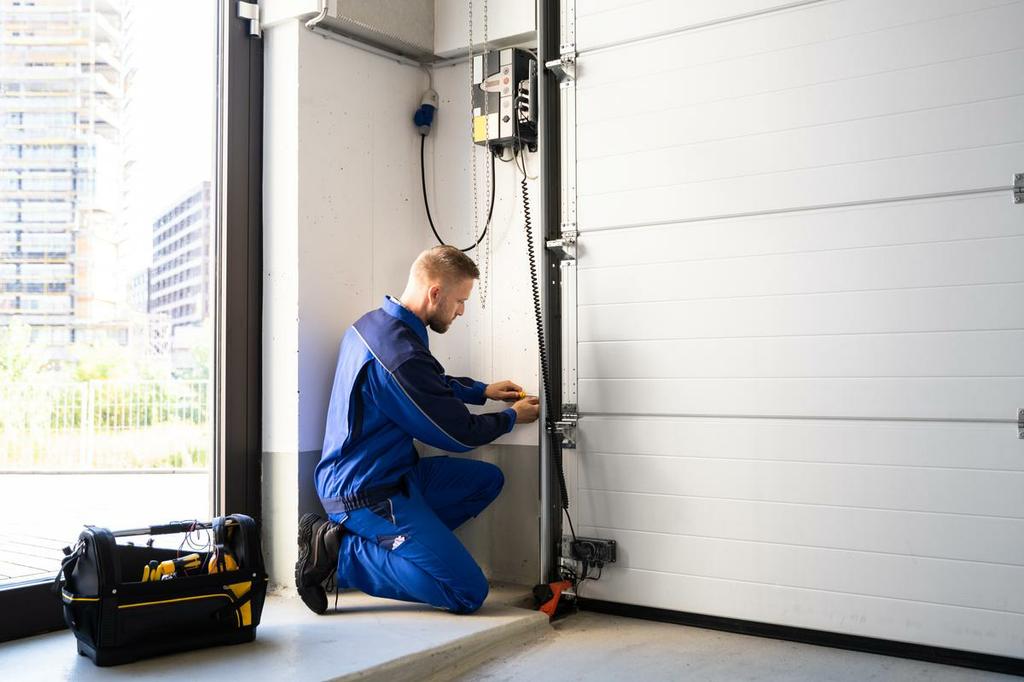
Maintenance is a diagnosis and prevention service, not a guarantee that parts will never fail. Its value comes from finding changed movement early, documenting wear and keeping the opener from compensating for a heavy or resistant door. Homeowners can observe, clean photo eyes and keep the threshold clear; tensioned hardware belongs to trained service.
Symptoms that deserve a closer look
- The door is louder, slower or less smooth than it was.
- Rollers wobble, hinges rattle or fasteners repeatedly loosen.
- The bottom seal is torn, brittle or freezing to the slab.
- The opener reverses, loses travel or strains at one point.
- Rust, broken strands or residue appears near bottom hardware.
What causes this problem?
Normal cycle wear
Springs, rollers, hinges and opener parts wear by cycle count. A high-use household may need attention sooner than a lightly used older door.
Dust and grit
Front Range wind carries grit toward tracks, rollers and sensors. Heavy grease traps contamination instead of solving alignment or wear.
Freeze–thaw and seals
A brittle seal can freeze to the slab, and forcing the opener can strain the top section and drive system.
Mag-chloride residue
Winter runoff can collect near bottom retainers and brackets. Maintenance should document corrosion without loosening tensioned fixtures.
Small alignment changes
Loose hinges, track supports or opener brackets can create vibration before the door becomes visibly crooked.
Should you repair or replace?
When repair makes sense
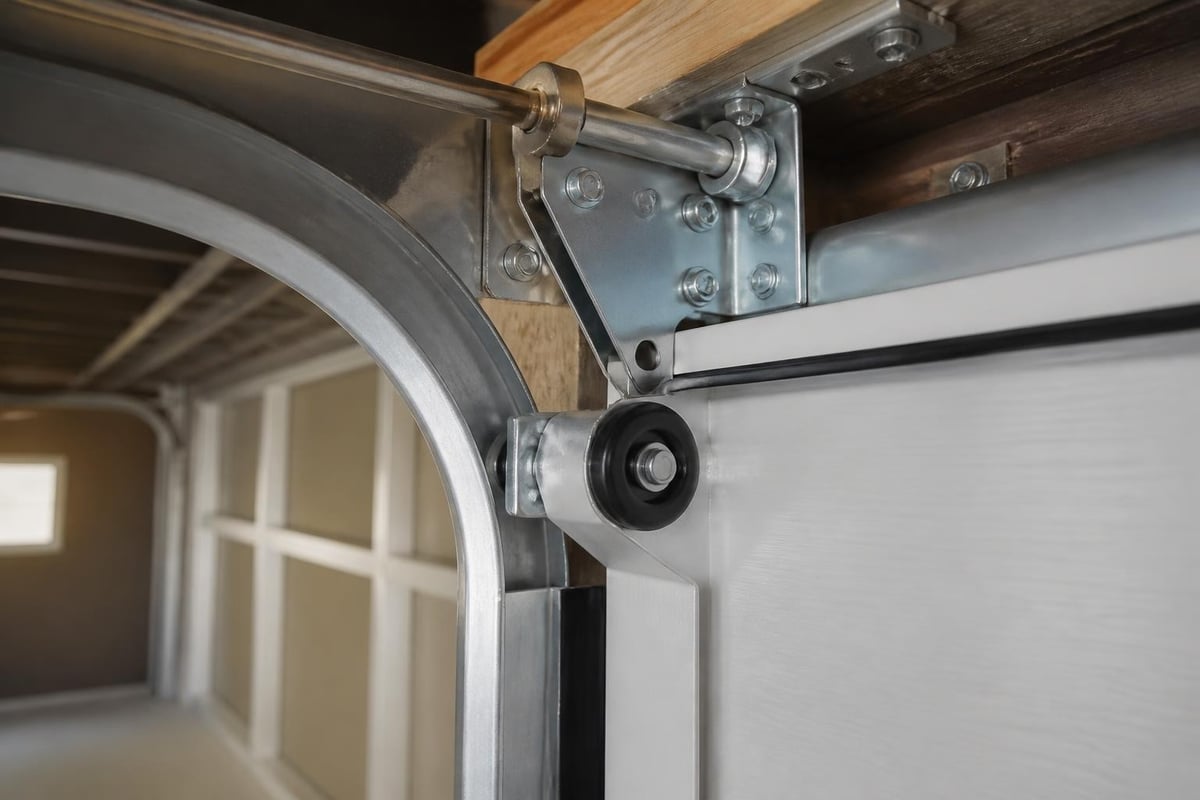
A tune-up can include ordinary adjustment, cleaning, approved lubrication and minor hardware correction when parts remain serviceable. Any spring, cable, roller, track, panel or opener repair should be separated into a written scope. Maintenance should never be used to disguise a cracked spring, frayed cable or failing safety control.
When replacement deserves comparison
Replacement is considered only when inspection finds parts that no longer provide safe service or an obsolete system with repeated faults. The technician should distinguish consumable maintenance from repair and from full-door replacement. A routine visit is not permission to sell a door based on age alone.
What should happen during a service visit?
Make the door safe
Stop automatic movement when the door is crooked, unusually heavy, unsupported or unable to secure the opening. The first task is stability, not speed.
Document the symptom
Record the door position, sound, visible wear, opener response and whether weather or impact happened just before the fault.
Inspect connected hardware
Check springs, lift cables, drums, rollers, hinges, tracks, panels, opener load and safety controls instead of isolating one obvious part.
Explain the cause
Separate the failed component from secondary wear and explain why the door became noisy, heavy, crooked or intermittent.
Approve the written scope
List parts, labor, exclusions, access, preparation-scope caveats, warranty wording and any urgency charge before work begins.
Balance and safety-test
After repair, verify smooth travel, balance, photo-eye response and contact reversal according to the manufacturer instructions.
Why does Colorado Springs context matter?
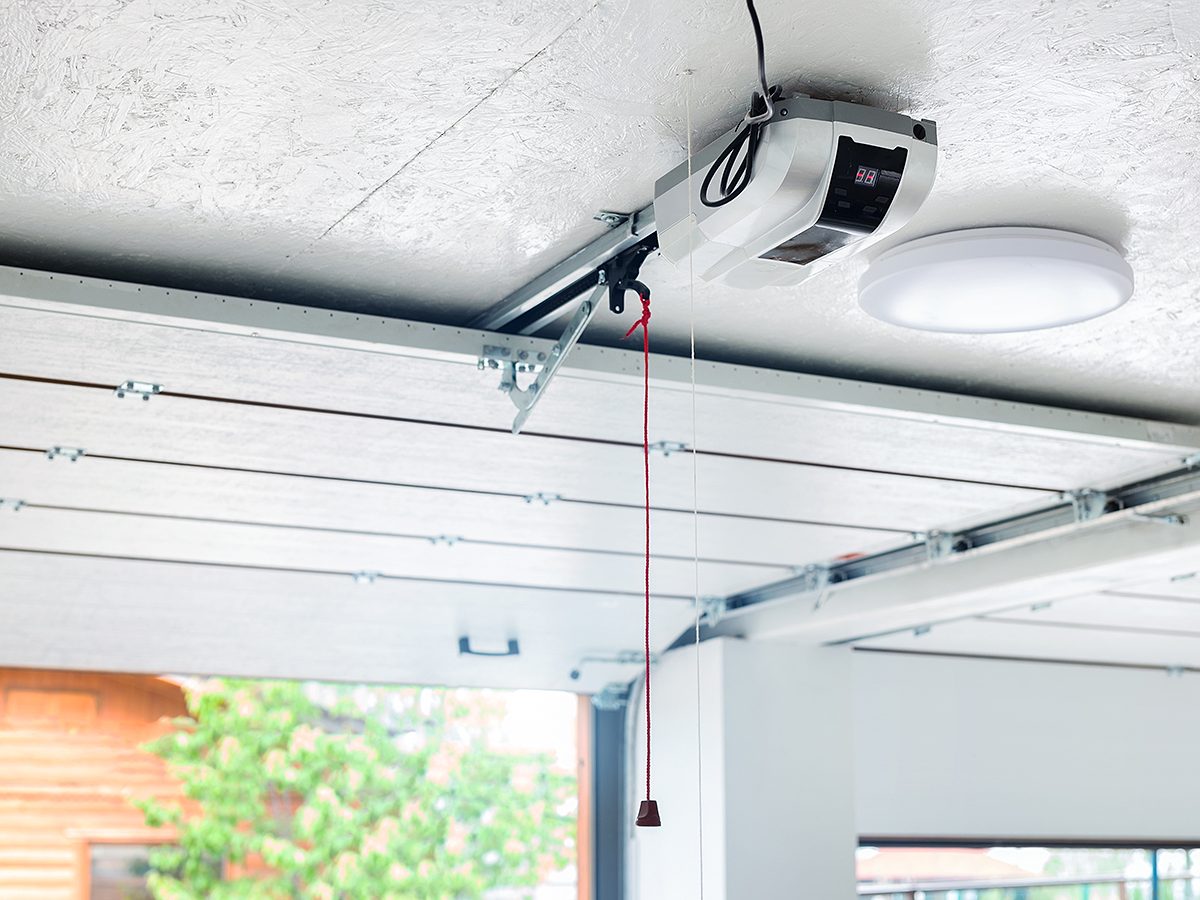
A useful Colorado Springs schedule is one professional balance and safety check each year, plus homeowner observation whenever weather or movement changes. Check again after major hail, the first hard freeze or visible winter residue. Monument and Black Forest may see colder, windier exposure; Powers and Briargate may accumulate cycles quickly; Security-Widefield and Fountain families may depend on the garage around military shifts. The door condition—not the ZIP code—sets the scope.
How can you reduce repeat trouble?
- Watch and listen to one complete cycle each month.
- Keep photo eyes clean and storage clear of the beam.
- Keep tracks free of grit; do not pack them with heavy grease.
- Inspect perimeter and bottom seals before winter.
- Rinse mag-chloride residue from the threshold area where appropriate.
- Schedule diagnosis when movement, sound or opener effort changes.
Safety boundary
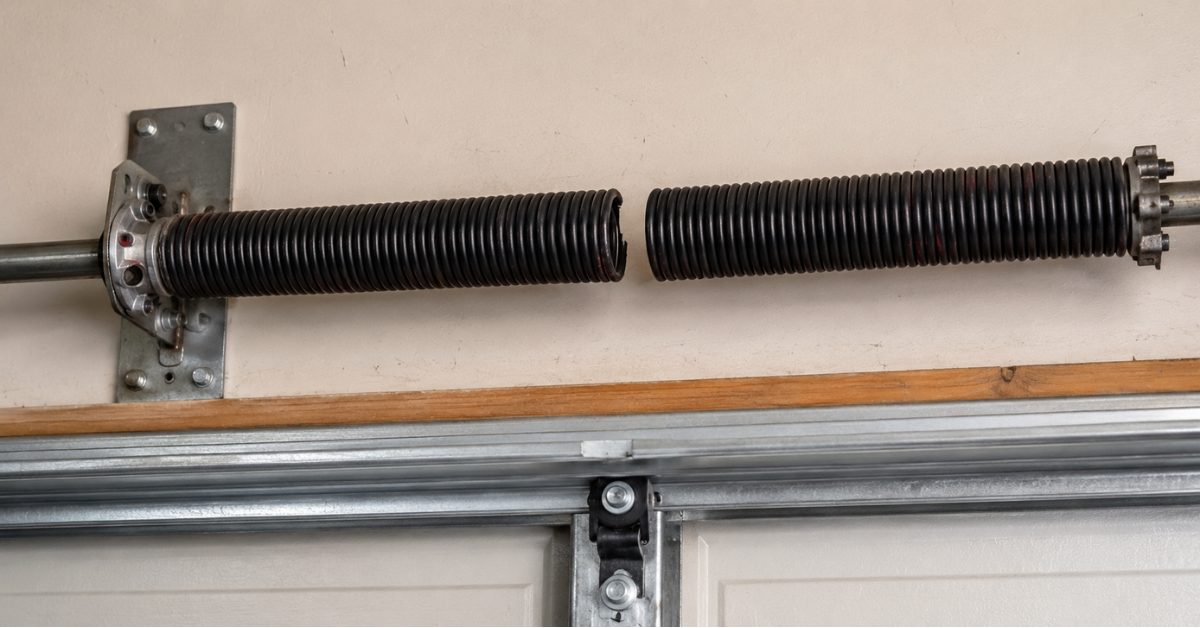
Do not unwind springs, loosen cable drums or bottom brackets, bypass safety controls, push an occupied roller back into a track or stand beneath an unsupported door. Observation is useful; tensioned-hardware repair belongs to trained service.
What are common worries before booking?
A useful service conversation answers safety, scope and timing concerns without turning uncertainty into a sales claim.
Is a tune-up just an upsell visit?
A useful tune-up documents balance, hardware, seals, sensors and reversal, then separates maintenance from any repair recommendation in writing.
Can maintenance guarantee the spring will not break?
No. It can reveal some wear and resistance, but no service can promise that a fatigued part will never fail.
Which checks can I do safely myself?
Observe travel, clean photo eyes and keep the threshold clear. Springs, cables, drums and bottom brackets remain off limits.
Frequently asked questions
How often should a garage door be maintained?
Annual professional balance and safety inspection is a practical baseline, with visual checks after hail, a hard freeze or any change in sound or movement.
Should garage door tracks be lubricated?
Usually tracks should be kept clean, not filled with grease. Follow the manufacturer guidance for approved rollers, bearings, hinges and spring surfaces.
Can a tune-up prevent a spring from breaking?
No maintenance can guarantee that a fatigued spring will not fail, but balance checks and changed-noise diagnosis can identify some problems before an urgent failure.
What can a homeowner safely check?
Observe travel, clean photo eyes, keep the threshold clear and follow owner-manual tests. Do not adjust springs, cables, drums or bottom brackets.
Why does the bottom seal matter?
It limits wind, dust and moisture and can prevent freezing at the threshold. A torn or brittle seal also changes how the door meets the floor.
Related services and areas
Not sure what failed?
Describe what the door is doing, its current position and any visible damage. Same-day slots can fill fast, but timing is only confirmed after contact. Calls are answered 24/7 at (719) 403-0616.