
Cold rarely breaks a healthy garage door spring, but a Colorado Springs hard freeze exposes fatigue, corrosion and poor balance already present. Before winter, watch one full cycle, clear the threshold, check for a torsion-spring gap, and stop if the door turns heavy, crooked or loud. Never raise opener force to overcome resistance.
It is 6 a.m., the temperature dropped overnight, and the door will not lift. Here is how to spot a tired spring and reduce winter opener strain.
Why do garage door springs fail during Colorado Springs cold snaps?
Most winter spring failures are not really caused by the cold — they are revealed by it. A garage door spring lives a counted life: every open-and-close is one cycle, and the wire fatigues a little with each one. After years of daily use, the coil is holding on with reduced margin. Then a hard Front Range freeze arrives, the steel contracts slightly, lubricant thickens, the bottom seal stiffens against the slab, and the door needs more force at exactly the moment the spring has the least to give. The snap people hear on the coldest morning of the year is usually the end of a long wear story, not a sudden defect.
Colorado Springs adds its own twists. The city sits near 6,035 feet, where a sunny January afternoon can push a dark, south-facing door well above air temperature, then radiational cooling drops it below freezing within hours of sunset. That daily expansion-and-contraction works on coils, cables and seals all winter. Chinook-style warm spells followed by Arctic fronts can swing temperatures 40 degrees in a day. A spring near the end of its life experiences each swing as another stress test.
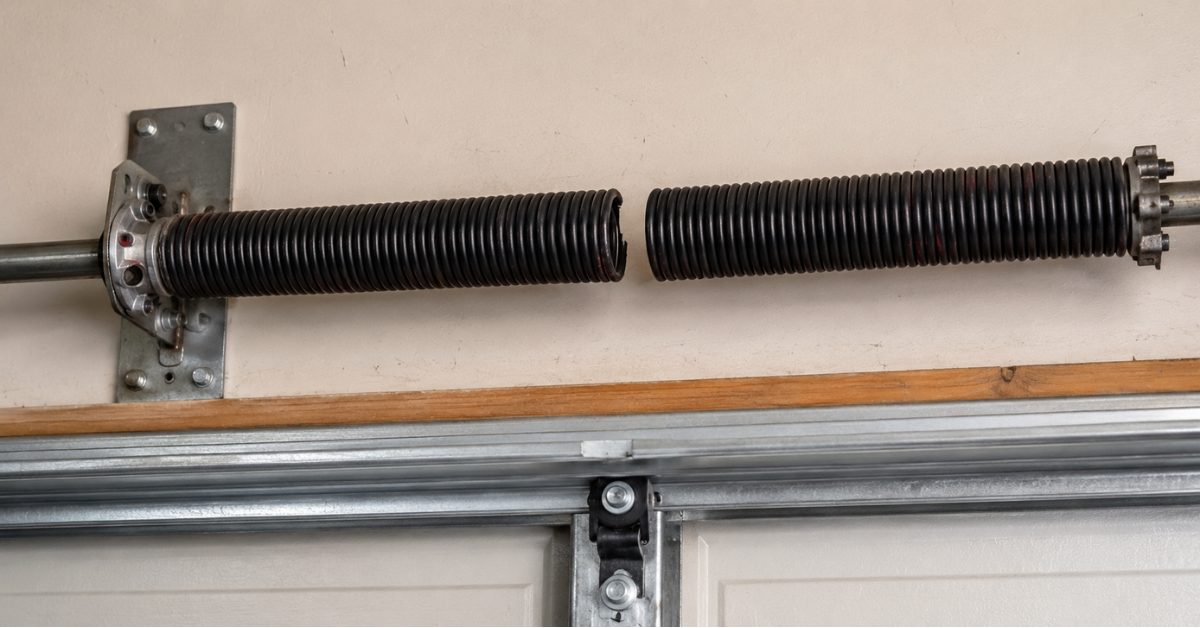
The warning signs are usually there first: a new pop or bang, a door that feels heavier through the opener’s changed pitch, lift that has become uneven, or a visible gap in a torsion coil. Treat those signs in fall and most winter failures never happen. Ignore them, and the failure picks its own morning — typically the one when you are already late.
What can you learn from one safe door cycle?
One observed cycle, done carefully, tells you more than a month of guessing. Stand inside the garage, well clear of the door’s path, with children and pets out of the space, and run one normal cycle while you watch and listen. Both sides should rise together, rollers should stay seated in the tracks, and the top section should not flex or bow under the opener’s pull.
Listen in layers. The opener’s pitch should stay steady; a motor that strains, slows or changes tone mid-travel is reporting resistance somewhere. Rollers should roll, not scrape or hop. Hinges should fold quietly; repeated popping at the same point in every cycle points at a specific joint or coil. Note where in the travel any sound begins — that detail is genuinely useful to a technician later.
Know when to stop. If the door jerks, hangs crooked, suddenly feels heavy through the opener’s behavior, or one side lags the other, end the test and leave the door as it is. Do not repeat the cycle to confirm what you saw; a second cycle adds load to parts that just told you they are struggling. A torsion spring with a visible gap between coils, or an extension spring hanging loose on one side, means the system has already failed — the door stays closed and unused until the spring repair guide steps are followed by a trained technician.
How do you stop the bottom seal from freezing to the slab?
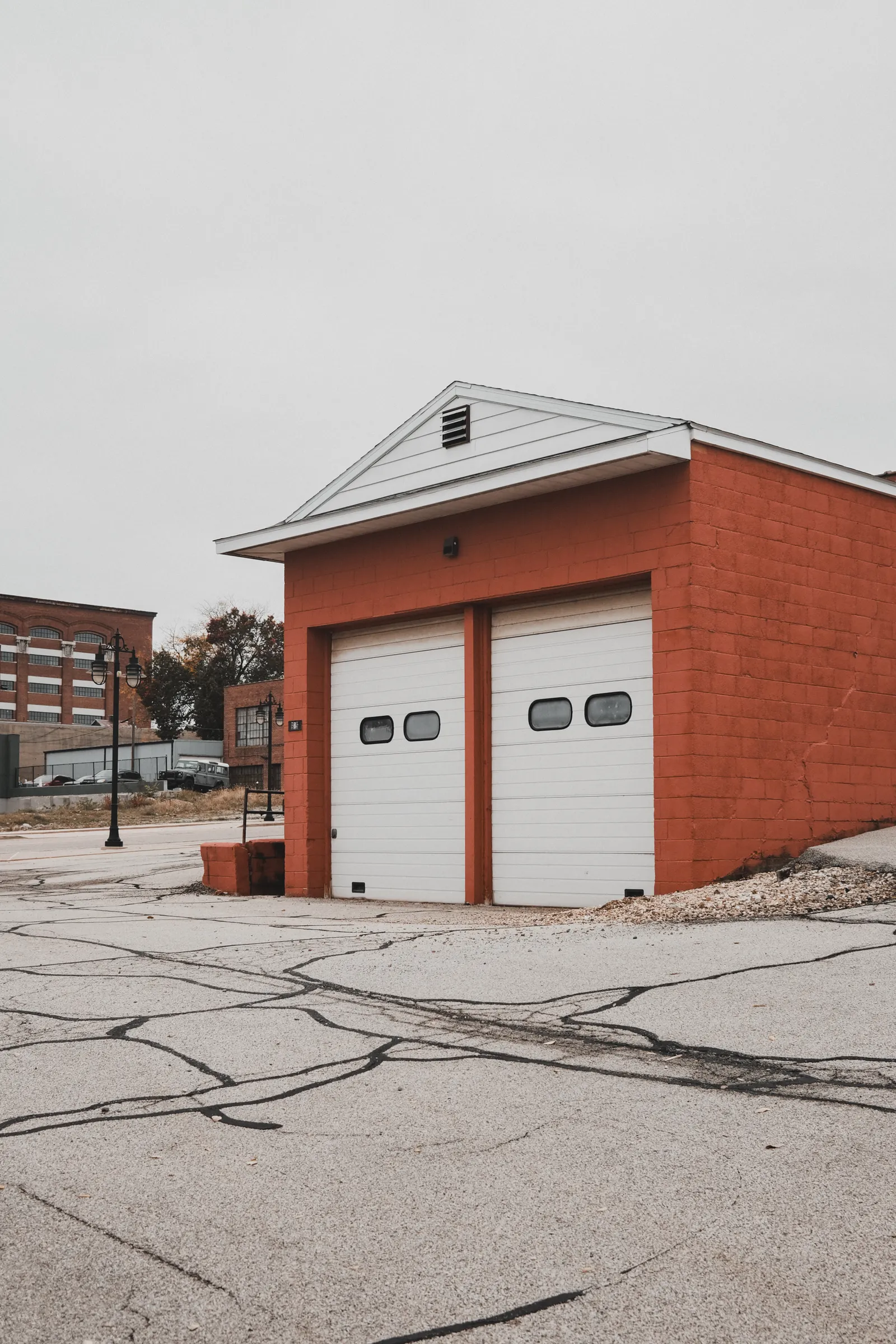
The bottom seal — the rubber astragal along the door’s lower edge — is winter’s most underestimated part. Meltwater is the setup: afternoon sun melts snow against the door, water runs to the threshold, and the overnight freeze bonds the seal to the concrete. Morning comes, the opener pulls, and either the seal tears, the opener strains against a door that is literally frozen shut, or both. Never use opener force to tear a frozen door free.
Prevention is mostly housekeeping. Before a freeze, clear leaves, grit and standing moisture from the threshold so the seal meets dry concrete. Check that meltwater from the driveway apron drains away from the door rather than ponding against it — many Colorado Springs driveways slope just enough toward the garage to feed the problem all winter. Replace a seal that is torn, flattened or brittle before the season; a seal that has lost its flexibility cannot recover it in January.
If the seal does freeze, work patiently: clear ice from the threshold by hand, free the bond gradually, and inspect the seal and the door’s resistance before cycling. If the door then feels heavy or travels unevenly, the freeze may have exposed a spring or cable problem rather than causing one — stop and have the balance checked rather than letting the opener muscle through.
Which garage door lubricant is appropriate before winter?
Lubrication helps the right parts and quietly harms the wrong ones, so the rule is precision. Use a garage-door lubricant — the type your door manufacturer recommends — sparingly on approved moving points such as hinges, roller bearings and the spring coils where specified. The goal is a thin film on moving metal, not a coating on everything in reach.
The most common homeowner mistake is spraying or greasing inside the tracks. Tracks guide the rollers; they should be clean and dry. Heavy grease packed into a track collects the fine grit that Front Range wind delivers all winter, forms an abrasive paste, and hides the resistance it was meant to fix. Wipe tracks clean instead, and check them for the dents or misalignment that lubricant can never correct.
Set expectations honestly: lubrication cannot repair a cracked spring, a fraying cable, a worn-out roller or a spring that was the wrong size from the start. If a squeak returns within days, the part is telling you it is worn, not thirsty. Dry Colorado air also matters — at altitude, light lubricants evaporate faster than they do at sea level, so a modest mid-season recheck beats one heavy application in October. The maintenance and tune-up guide lays out the full sequence these steps belong to.
Why does mag-chloride residue matter near bottom hardware?
Colorado roads are treated through winter, and your car brings the treatment home. Wet runoff from a slushy vehicle carries magnesium chloride and grit into the garage, where it pools at the lowest, coldest point in the building: the threshold, right against the bottom brackets, the bottom seal retainer and the lower ends of the lift cables. The parts most exposed to road residue are also the parts under the most tension.
Bottom brackets are not trim. They anchor the lift cables that connect the door to the spring system, which means corrosion there is a safety issue, not a cosmetic one. Through the season, rinse residue from the threshold area where practical, keep the drainage path along the garage floor clear, and look at bottom hardware monthly for rust bloom, flaking or a cable that is starting to fuzz with broken strands. Photograph anything you find so change over time is visible.
One rule governs everything in this section: observe, photograph, report — do not remove. Bottom brackets, cables and drums stay under spring tension even with the door closed and the opener disconnected. Corrosion on those parts belongs in a professional inspection, where the tension can be controlled safely. The pre-winter warning signs guide shows how this corrosion fits the wider pattern of cold-season failures.
What should a professional spring balance check include?
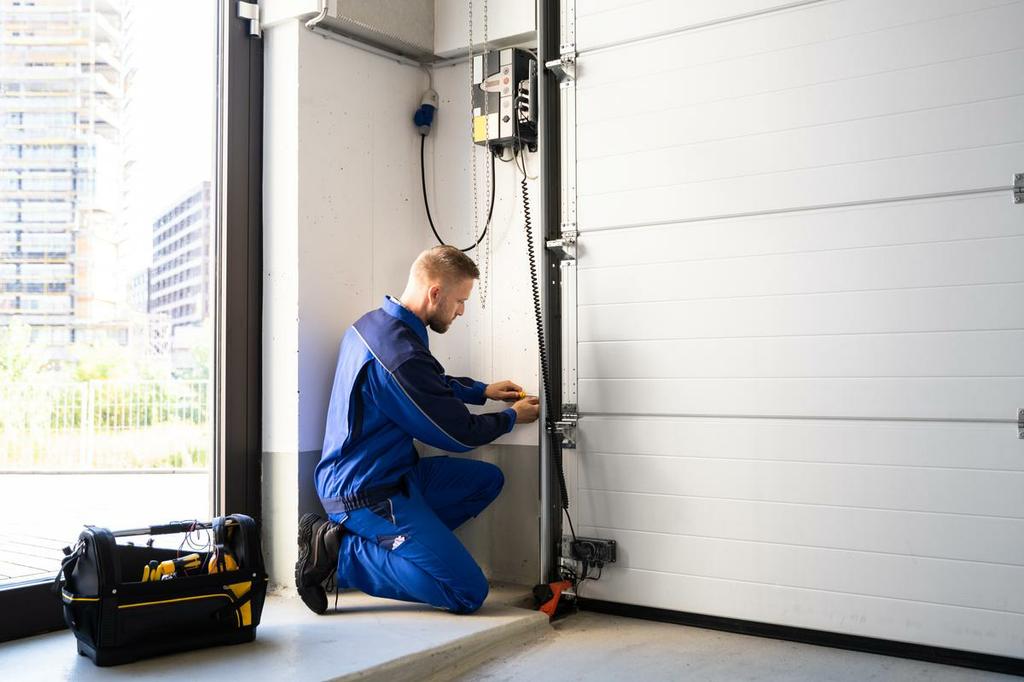
A true balance check answers one question: is the spring system doing its share of the lifting, or has the opener quietly taken over the job? It is a measurement, not a glance. A trained check separates spring assistance from opener force and inspects every part that shares the load.
Expect the technician to identify whether your door uses torsion springs above the header or extension springs along the tracks, measure the door’s size and weight class, and inspect lift cables, drums, bearings and the spring’s visible condition. On an attached garage, the check often also confirms the door still seals and travels without binding, since a door can be balanced and still fight a bent track. The output you should receive is specific: the spring specification proposed for your door, in writing, with the reasoning.
One question separates careful work from blanket rules: on a two-spring system, why one spring or both? Springs installed together have usually cycled together, so replacing a matched pair is often reasonable — but “often” should still be explained with measurements and condition, not recited. If the explanation fits your door’s age, size and symptoms, it is a recommendation. If it would be the same answer for every door on the street, it is a script.
How can an opener hide a weakening spring?
Modern openers are strong, and that strength can lie to you. As a spring tires, the door grows heavier a little at a time — and the opener, asked politely every day, simply works harder. Force settings get nudged up over the years. The motor’s pitch drops. The top section starts to flex under a pull it was never meant to carry alone. From inside the car, everything still “works” — until the morning the spring finishes failing and the opener is suddenly holding a door it cannot lift.
The damage from the mask is real even before failure. An opener compensating for a weak spring wears its gears, rail and trolley faster, and a top section repeatedly flexed by excessive pull can crack around the opener bracket — turning a spring job into a spring-plus-section job. Increasing force limits to keep a heavy door moving also works against the safety system, which is designed around a door that travels freely.
The tell is change: a motor that hums or sounds strained after the door turns heavy is reporting a mechanical problem, not asking for more force. Start with the spring and balance side of the system; if the door proves balanced and light, then opener diagnosis makes sense. That order — door first, motor second — is the same logic behind the opener maintenance guide, and it prevents replacing a healthy opener for a tired spring’s sins.
When should you schedule winter garage door maintenance?
Timing beats urgency. The best window is early fall, after summer heat and before the first run of overnight freezes, when a tired spring, a splitting seal or a corroding cable can still be handled as an appointment instead of an emergency. Schedule sooner — any month of the year — the moment movement, balance or sound changes, because those changes, not the calendar, are the real triggers.
Recheck after specific events as well: threshold ice that bonded the seal, a temperature swing large enough to work the whole structure, visible new corrosion at the bottom hardware, or a bang heard from the garage at any hour. The garage door maintenance guide covers the full tune-up sequence, while the spring repair page explains visible spring failure and the safe next steps when prevention comes too late.
How do freeze–thaw cycles and high altitude change spring care?
Colorado Springs doors live a harder thermal life than the same doors at sea level. At about 6,035 feet, winter sun is strong enough to warm a dark door far above air temperature by midday; after sunset, clear-sky cooling drops it fast. Springs, cables and seals ride that full swing daily, expanding and contracting through the season. Add genuine cold snaps, when Arctic air settles over the Front Range for days, and the system faces both rapid cycling and sustained contraction of steel and rubber. An insulated door softens that daily swing, which is one reason the insulation choice matters for spring life — see our comparison of insulated vs non-insulated garage doors in Colorado.
Low humidity plays a quieter role: lubricants dry out faster, seals lose flexibility sooner, and fine wind-blown grit works into tracks and roller bearings. The practical response is rhythm rather than intensity — lighter, more regular attention. A fall balance check, a mid-season look at bottom hardware, threshold housekeeping before freezes, and honest notes when sound or travel changes will carry a sound system through winter. What no rhythm can do is restore a fatigued coil, which is why the warning signs in this guide outrank every product on the shelf.
Which winter checks are safe to do yourself — and which are never DIY?
Homeowner-safe winter work is observation and housekeeping: watching one careful cycle, clearing the threshold, freeing a frozen seal patiently by hand, applying the manufacturer’s lubricant to approved points, rinsing road residue from the floor area, and photographing corrosion. Never DIY anything that adjusts tension: winding or unwinding springs, replacing a spring, loosening cable drums or bottom brackets, re-seating a slipped cable, or raising opener force to push a heavy door through winter.
The boundary is especially important in cold weather, when a fatigued spring is most likely to let go mid-task. If a check on this page reveals a coil gap, a loose cable, a crooked door or sudden heaviness, the season’s most important maintenance decision is simply to stop and leave the door closed until it is inspected.
Questions homeowners ask about this topic
Does cold weather directly break a healthy garage door spring?
Not usually. A sharp temperature change exposes fatigue, corrosion or poor balance that already existed. Healthy springs with margin remaining ride out Front Range freezes; tired ones often fail on the coldest mornings.
What should I do when the bottom seal freezes to the slab?
Do not use opener force to tear it free. Clear ice from the threshold safely, free the bond gradually by hand, and check the seal and the door’s resistance before cycling it again.
When should a pre-winter spring inspection be scheduled?
In early fall as a routine, and at any time of year when balance, sound or movement changes. A visible coil gap, loose cable or suddenly heavy door should not wait for a seasonal appointment.
Is it safe to spray lubricant inside the tracks before winter?
No. Tracks should stay clean and dry; grease inside them collects grit and hides resistance. Use the manufacturer’s garage-door lubricant only on approved moving points such as hinges, roller bearings and specified spring surfaces.
Why do springs seem to fail on the coldest morning?
Cold contracts steel, stiffens the bottom seal and thickens lubricant, so the door needs more force at the exact moment a fatigued spring has the least margin. The failure is the end of long wear, revealed by the freeze.
Stop before tensioned hardware
Do not unwind torsion or extension springs, loosen cable drums or bottom brackets, bypass photo eyes or push an off-track door into place. If the door becomes heavy, crooked or unsupported, keep people clear and use the emergency garage door repair guide.
Which garage door service pages should you read next?
Which related Colorado Springs guides add context?
Not sure what failed?
Describe what the door is doing, its current position and any visible damage. Same-day slots can fill fast, but timing is only confirmed after contact. Calls are answered 24/7 at (719) 403-0616.